
Place / Site Stories
From Guided Learning to Digital Exploration | Ming Chuan University Students Experience “laqi na sbunaw”
Digital technology is not the destination. It is a bridge back into place.
Place / Site Stories
Digital technology is not the destination. It is a bridge back into place.
Ming Chuan University students spent two days in Fuxing, Taoyuan, experiencing laqi na sbunaw through forest learning, Atayal food culture, local stories and self-guided digital exploration with FUNQuanQuan.
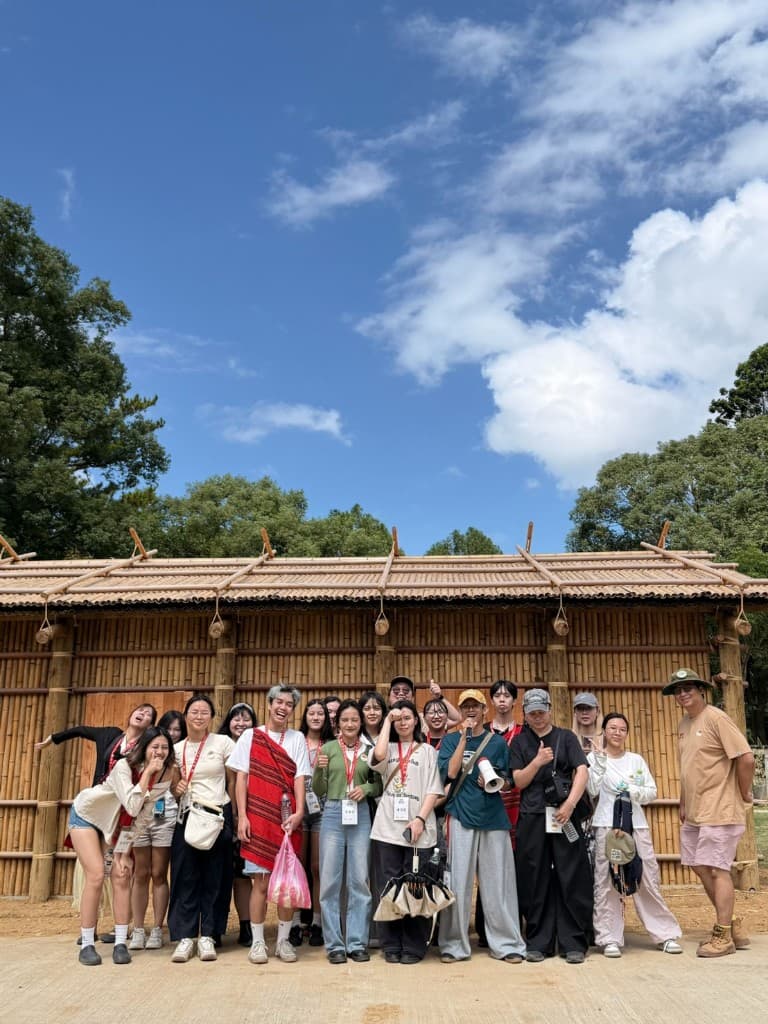
On October 2–3, 2026, students from Ming Chuan University’s Indigenous Students’ Resource Center across the Taipei and Taoyuan campuses travelled to Fuxing District, Taoyuan, for two days of place-based cultural learning. On the first day, they entered sbunaw and experienced “laqi na sbunaw,” PLUWFUN’s One-Day Mountain Walker journey. On the second day, they returned to Jiaobanshan, where the learning shifted from human-guided interpretation to self-guided exploration through FUNQuanQuan. At first glance, these were simply two different days of activities. For PLUWFUN, however, the larger question was: “What happens when people are first guided into a place by those who live there — and digital tools then help them continue exploring on their own?” This journey became a practical test of a model we have been developing in Fuxing.
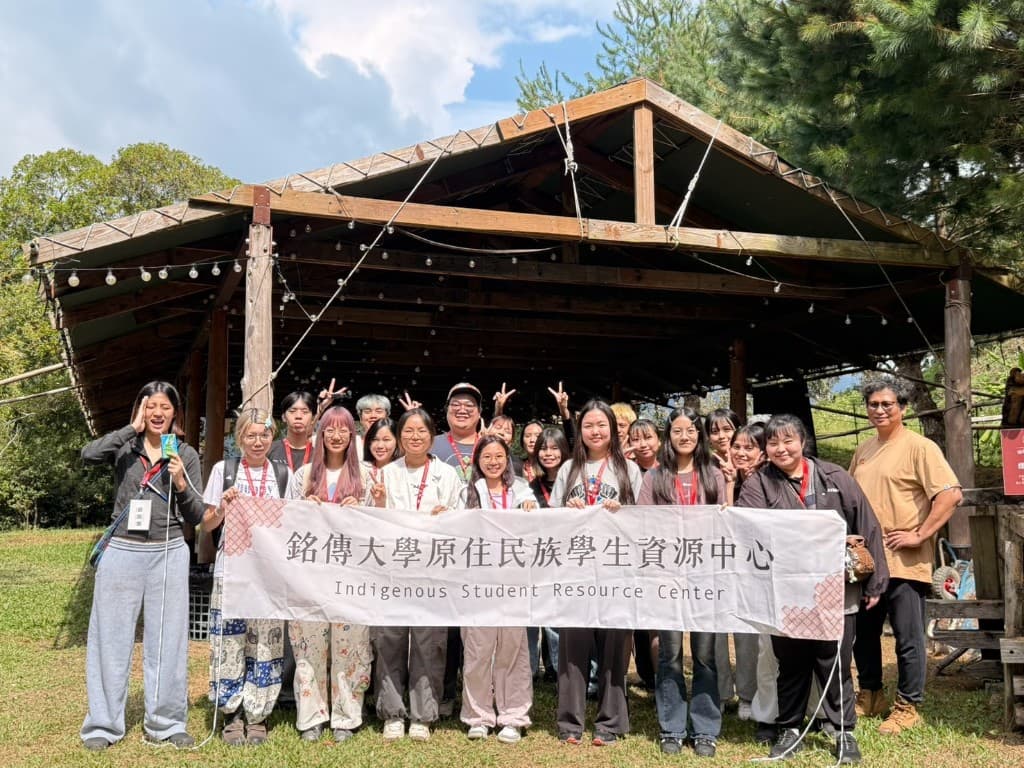
The journey into sbunaw did not begin with a list of attractions. It began with people. Students entered the forest step by step, learning through plants, traces of everyday life and memories rooted in the land. To enter sbunaw today is also to enter a wider network of community memory. According to local oral accounts and community context, tksan (Zhujiaoshan) was one of the largest and most important settlements in this area, connected with quli and sbunaw. The paths, living places and memories encountered here are therefore not isolated attractions, but part of a long relationship between people and land. Local cultural guides, including elder Tali, led students into the forest and introduced them to plants, traces of everyday life, local memories and knowledge rooted in the land. Some knowledge cannot be understood through a presentation alone. You have to walk the terrain, touch leaves, notice smells, observe the landscape and listen to someone whose life is connected to this place. That is a central idea behind “laqi na sbunaw”. laqi na sbunaw is an Atayal expression meaning “a child of sbunaw.” It is more than the name of a journey. We hope that everyone who walks into the forests of sbunaw, learns from local people and experiences the life of this place leaves with a deeper connection — as if becoming one of the children of sbunaw, carrying part of its memory with them. Culture is not placed in front of visitors as an exhibit. Visitors are invited into the places where culture continues to exist through everyday life.
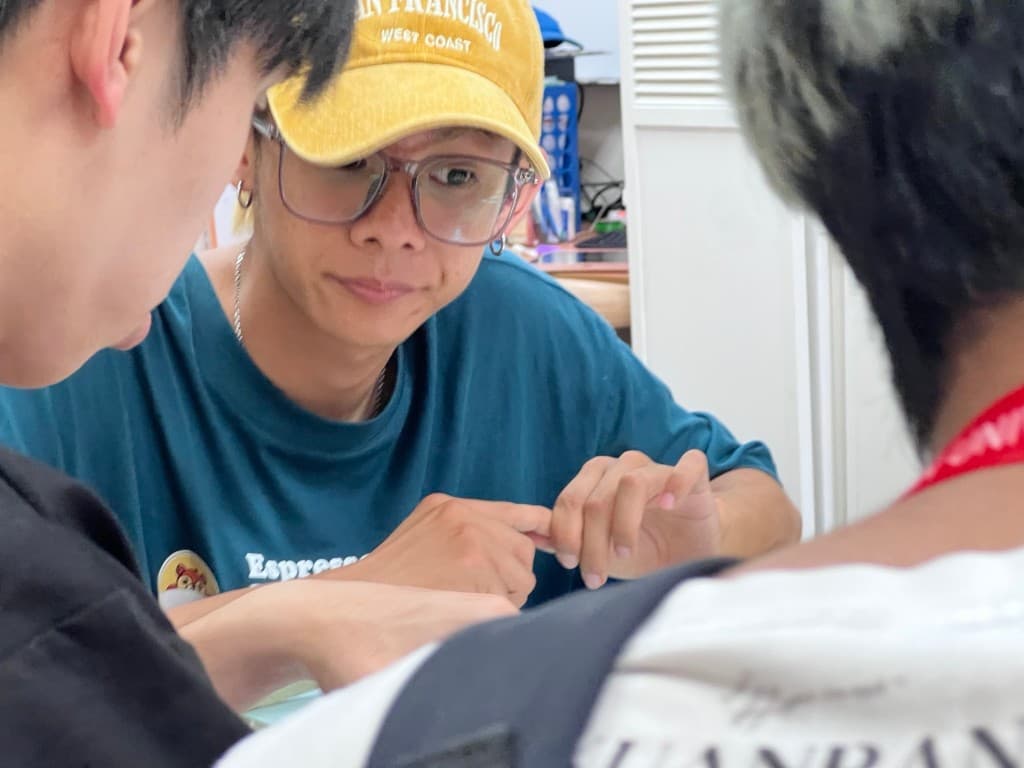
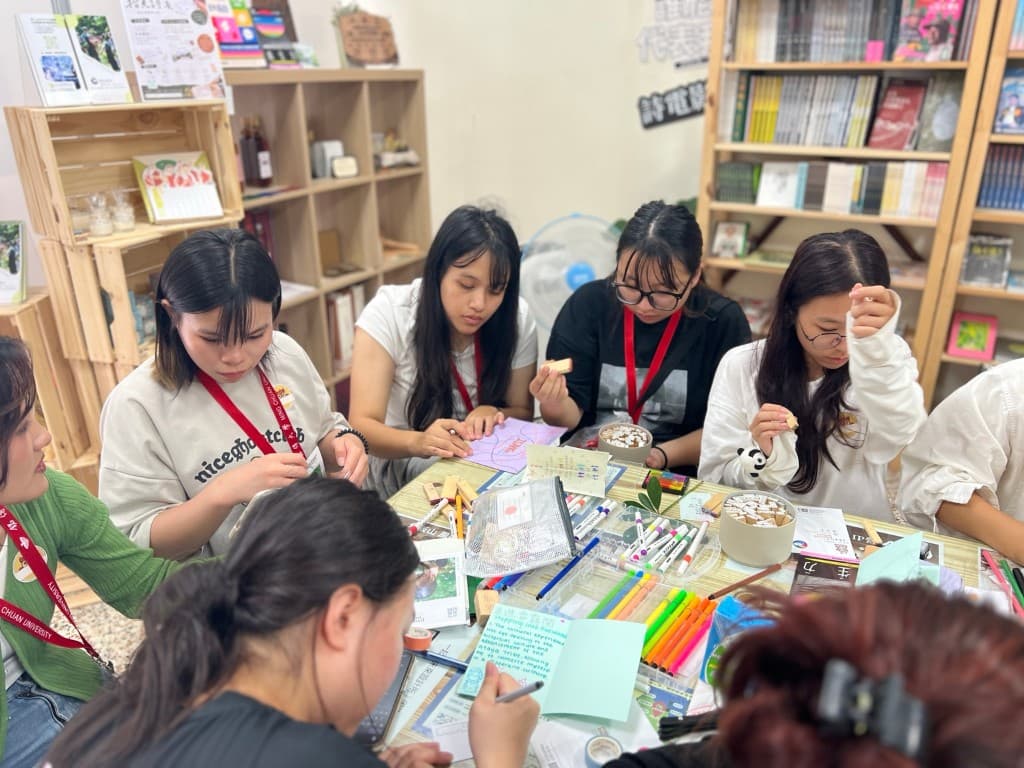
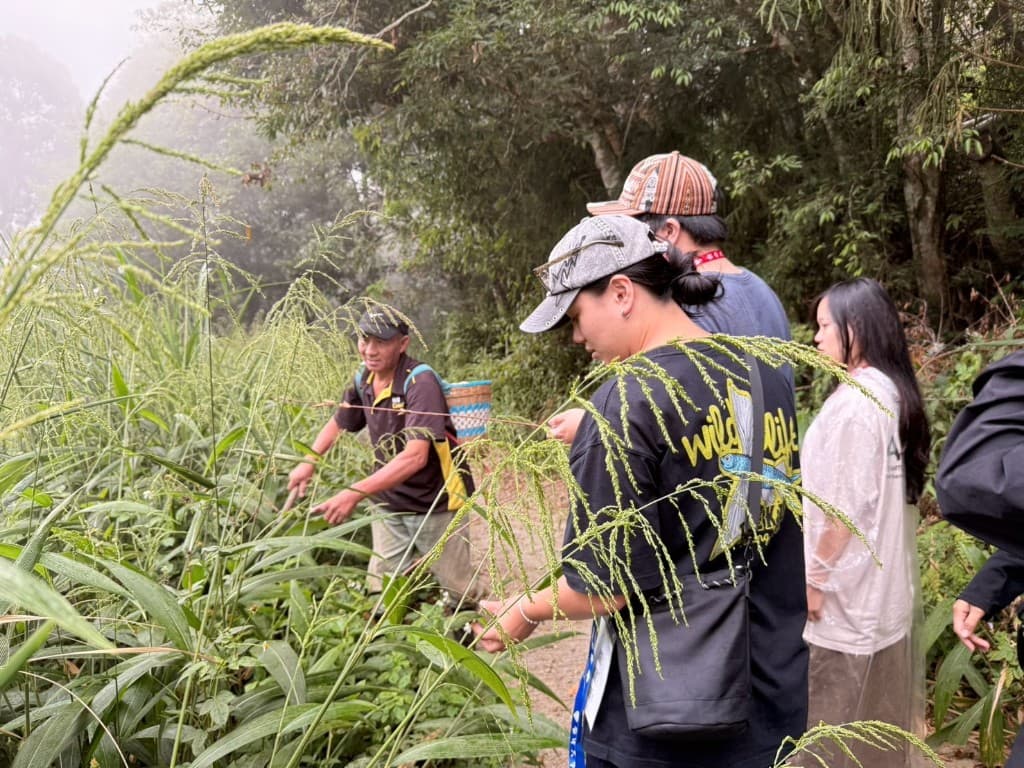
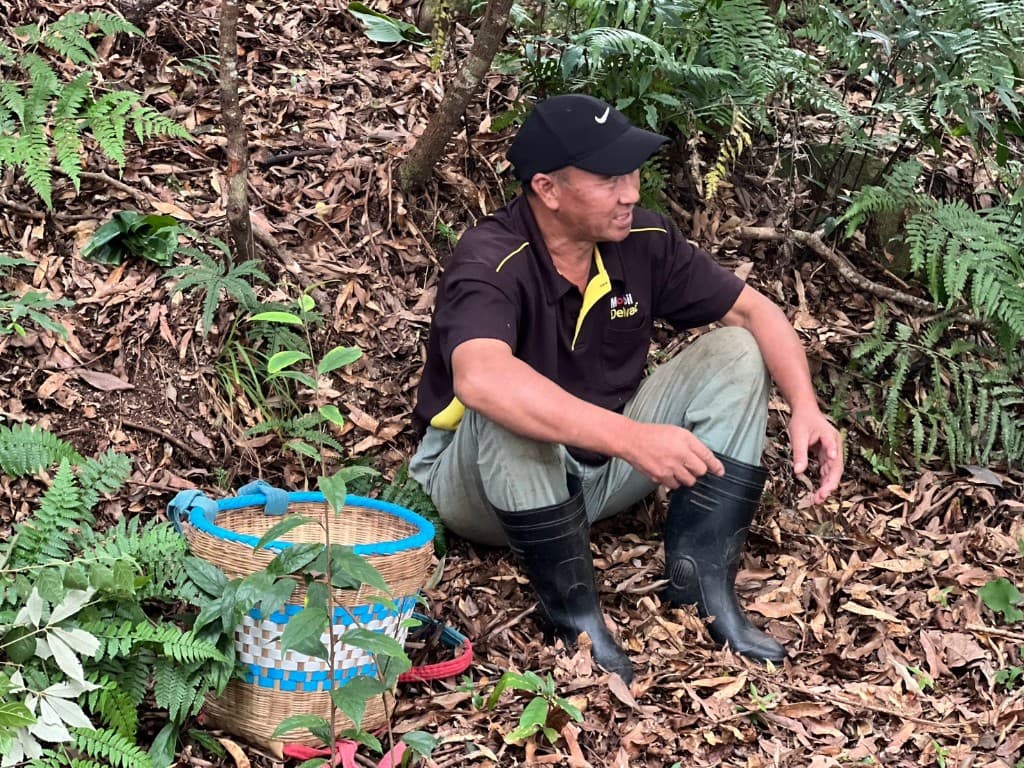
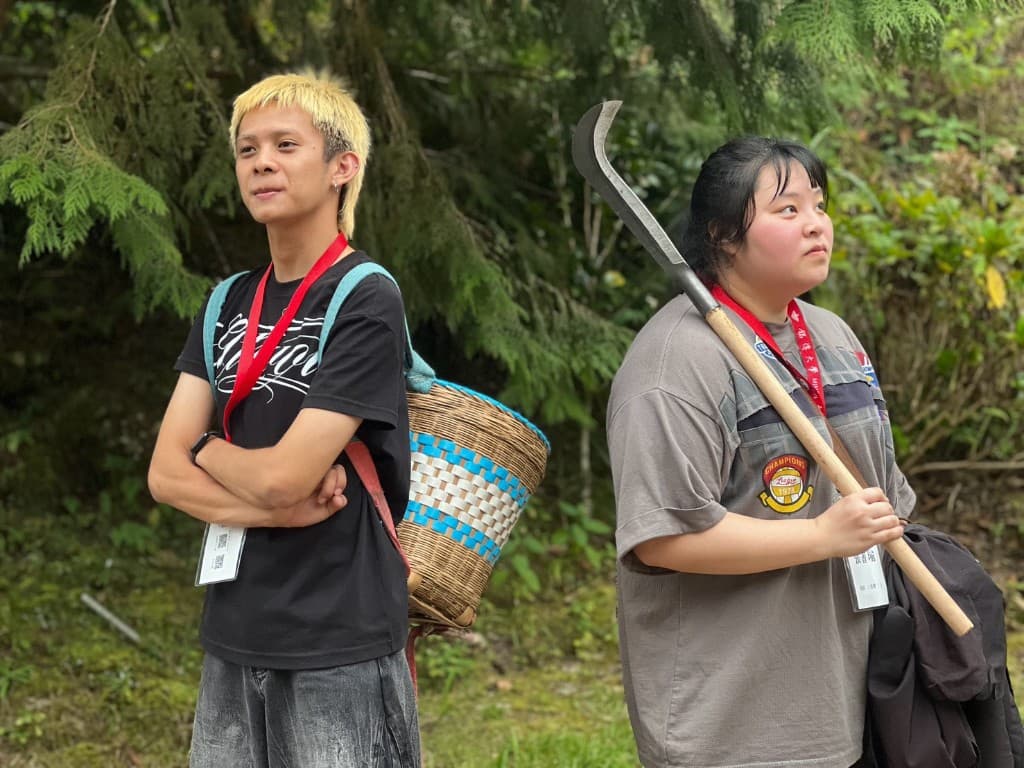
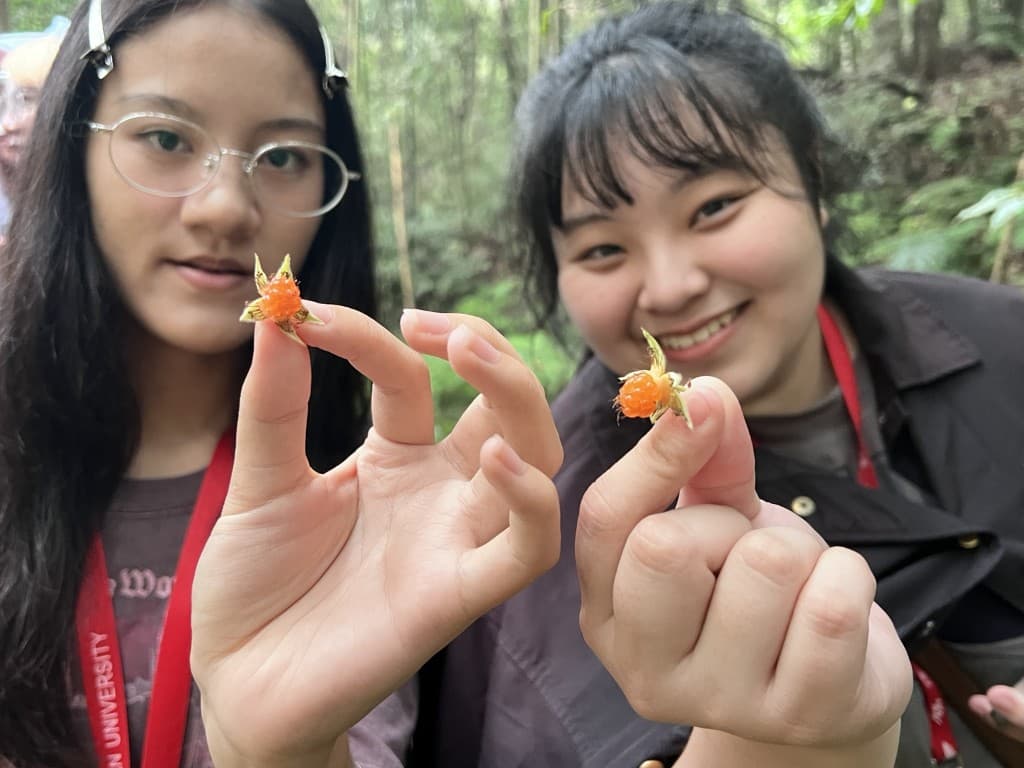
Traveller record for this laqi na sbunaw session
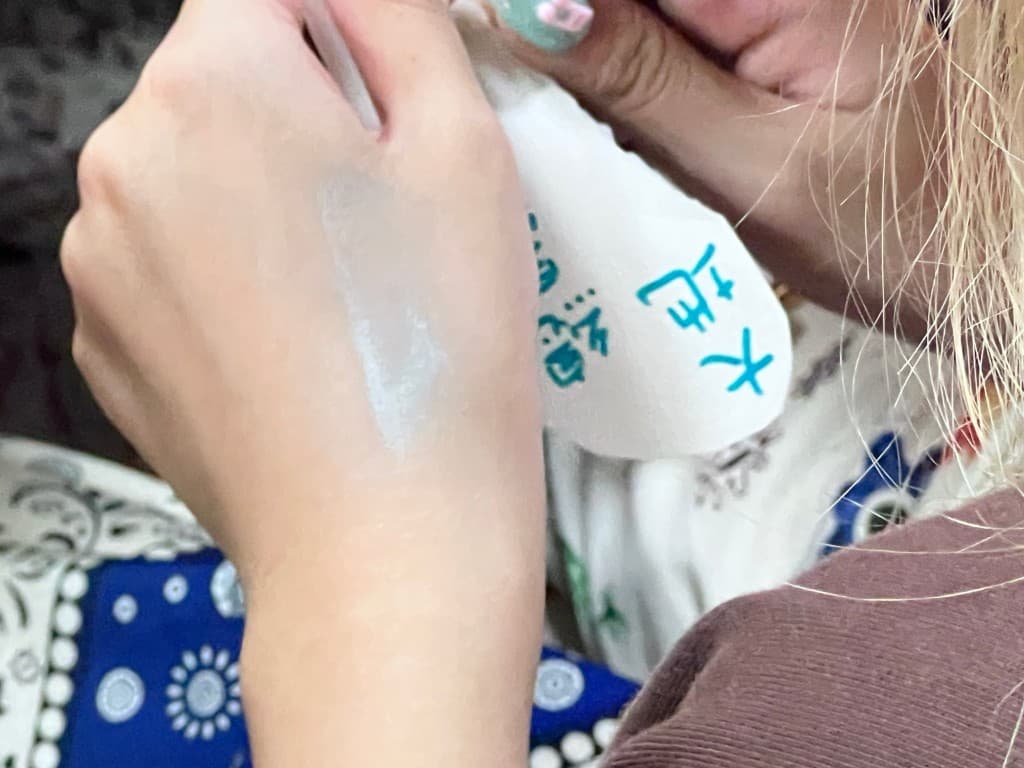
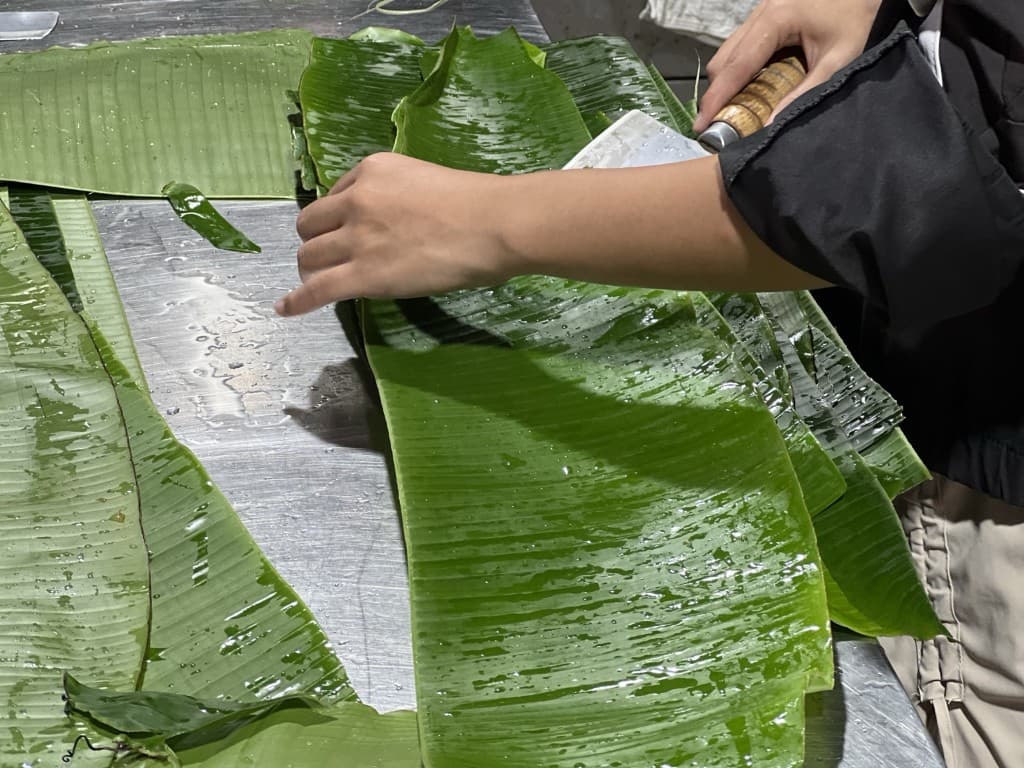
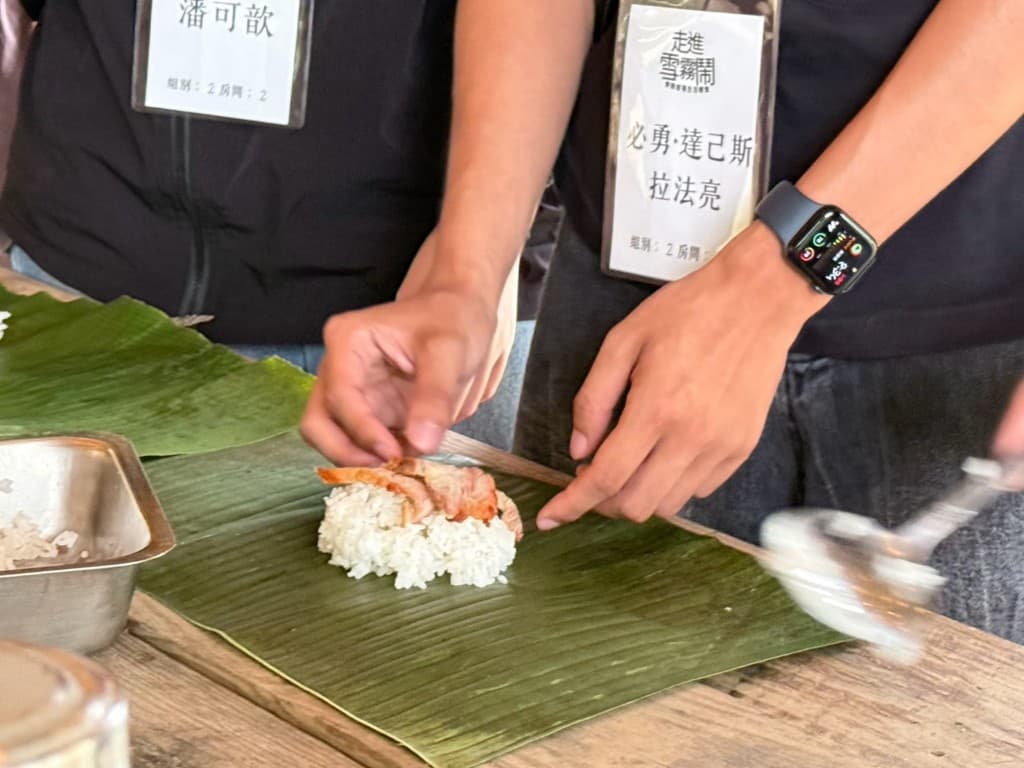
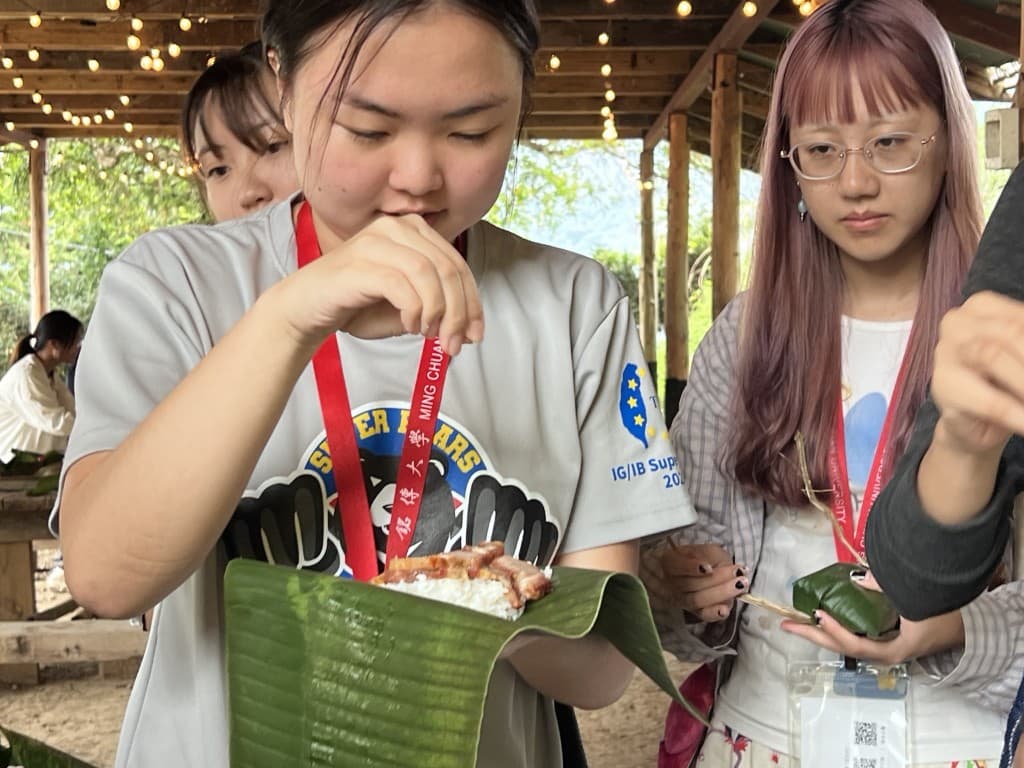
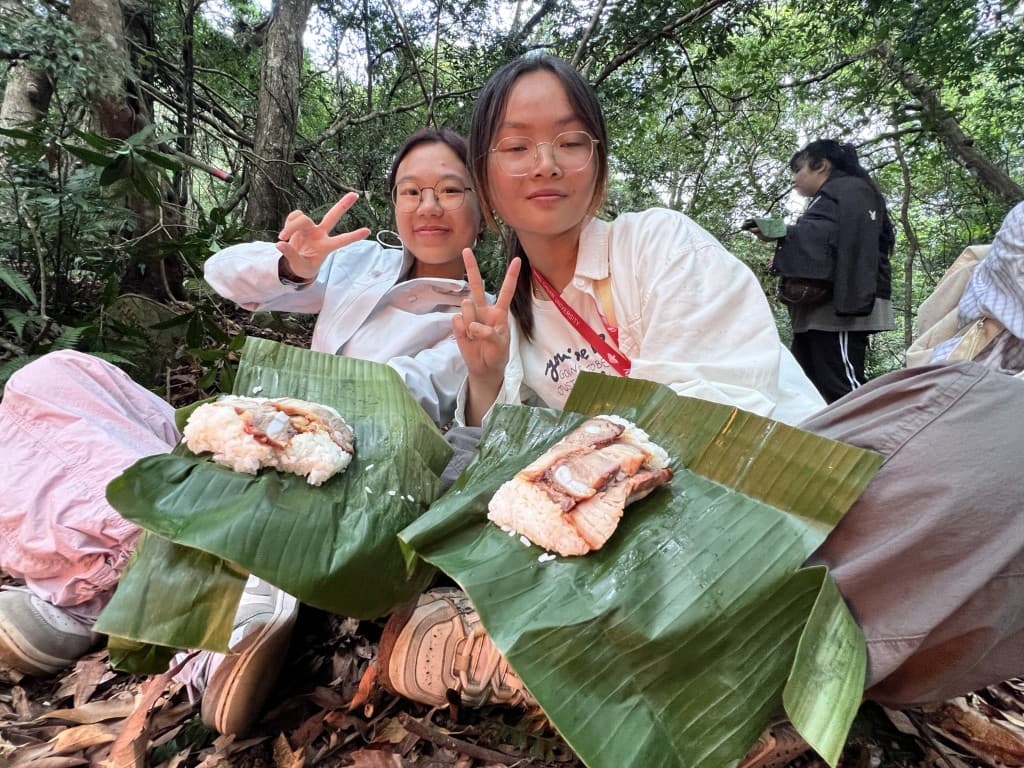
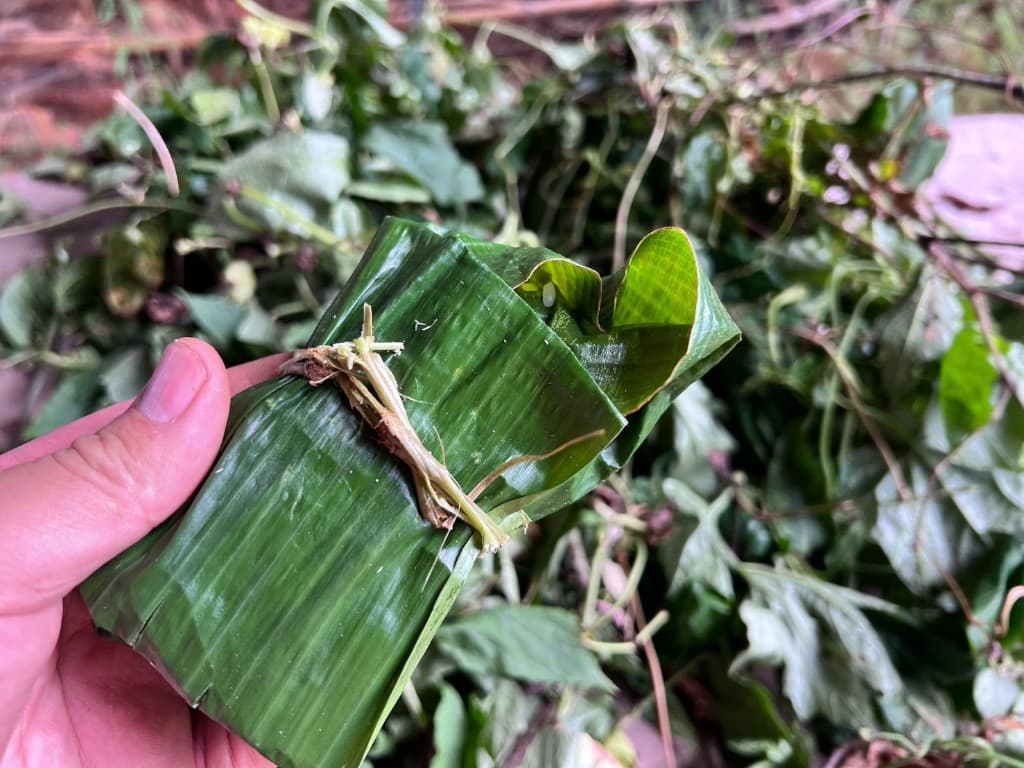
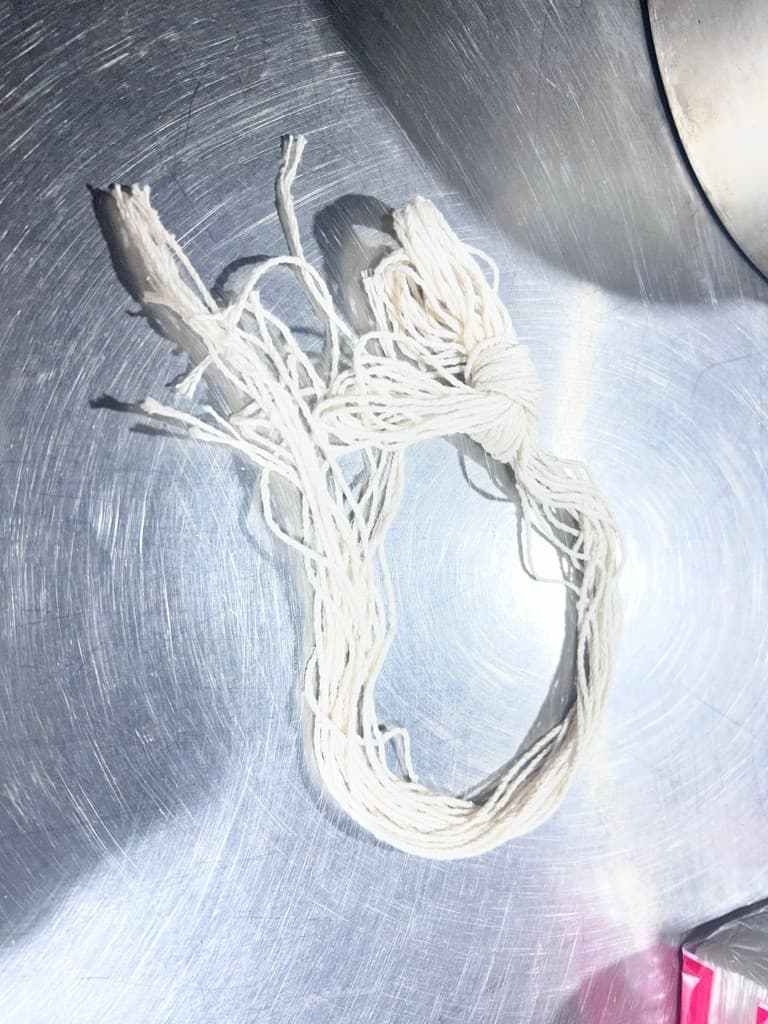
Lunch during “laqi na sbunaw” was not simply a break between activities. It was part of the cultural learning itself. Students learned about natural materials such as banana and shell ginger leaves, prepared the leaves and used them to wrap rice and food as part of kuni — a traditional Atayal leaf-wrapped lunchbox and food practice. The process was not about recreating the appearance of a “traditional lunchbox.” It was about understanding how people once used materials available around them — plants, seasonal resources and practical knowledge — to carry out one of the most ordinary and essential acts of daily life: eating. A leaf, in this context, is more than packaging. It carries knowledge about plants, food practices and relationships between people and their environment. Twenty leaf-wrapped meals were prepared during this session. Compared with the originally anticipated use of heat-resistant plastic bags and disposable ties, this module avoided the need for approximately 20 heat-resistant plastic bags and 20 sets of disposable ties. Recorded general packaging waste for this meal-packaging module was zero. Ingredients were purchased from a local supplier in Daxi, Taoyuan, with purchase records retained. But the most important lesson is not simply that fewer plastic items were used. Culture was not displayed first and “sustainability” added later. When local knowledge becomes part of the design of a journey, cultural learning, local materials and lower-waste practices can happen through the same experience.
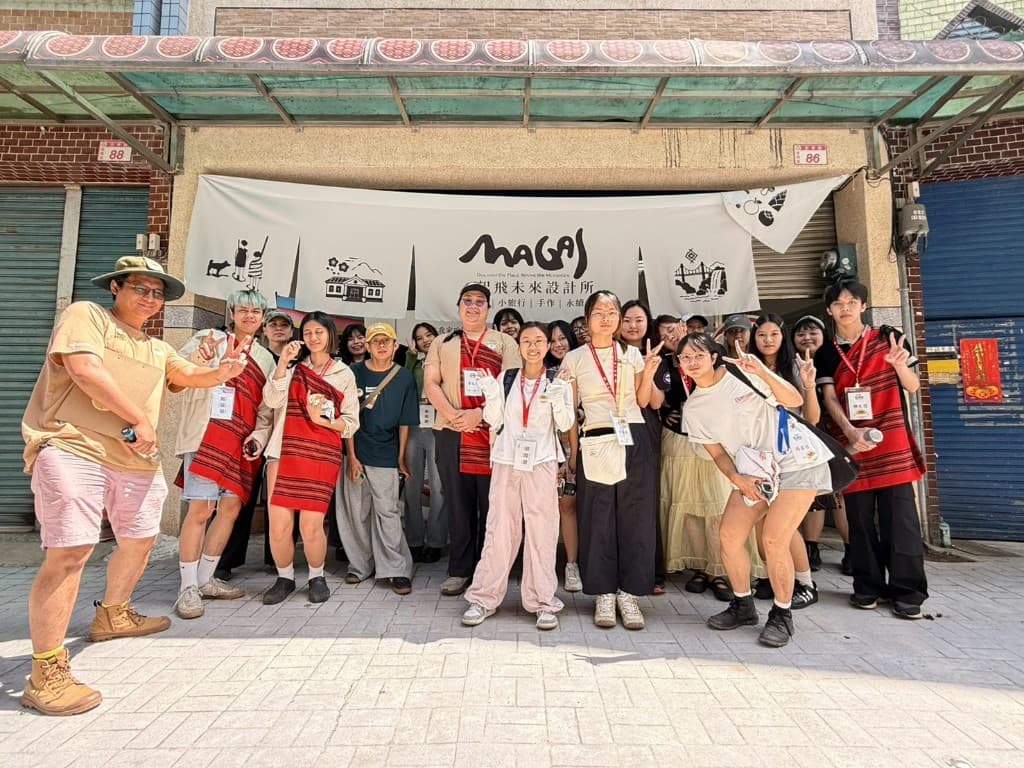
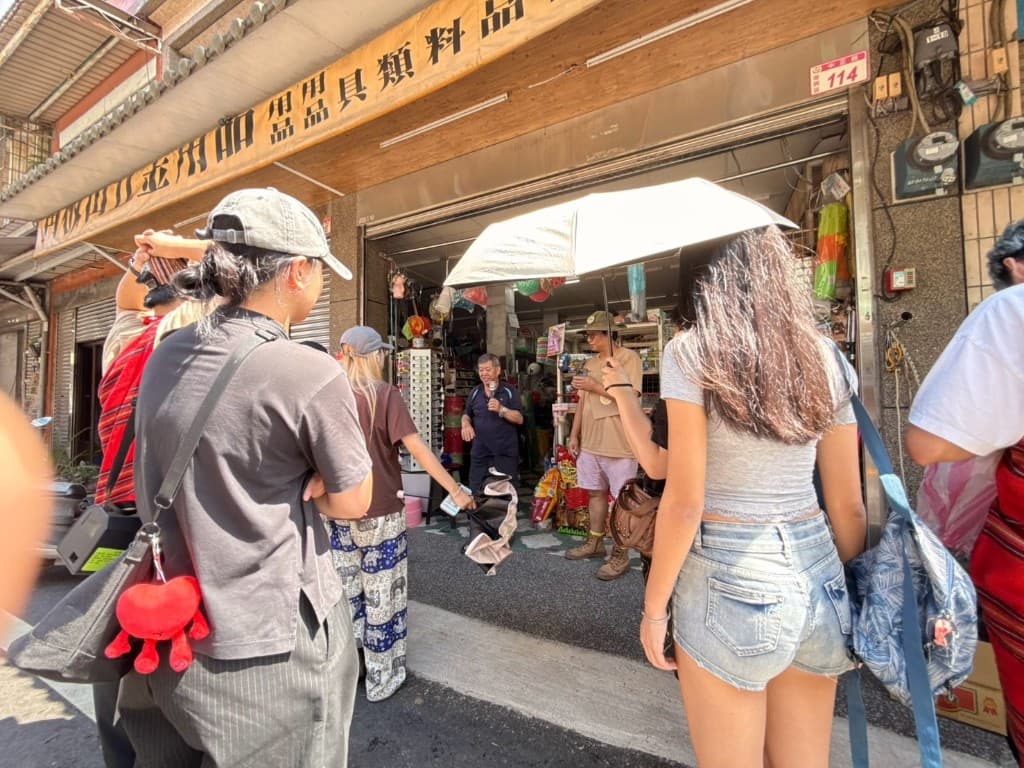
On the second day, the group returned to Jiaobanshan. Starting from the local creative space operated by Flying Squirrel Future Design Studio, students first explored the town through human-guided interpretation. One of the stops was Ri Wang Hardware Store. Instead of simply seeing an old shop, students listened to owner Mr. Yu share memories of childhood, the neighbourhood and the role the store has played in the everyday life of the street. Local knowledge is not always contained in a famous attraction. Sometimes it lives in one shop, one person’s memory or a story about how people once lived. The guided walking section in Jiaobanshan covered approximately 1.5 kilometres. But the most important transition came next.
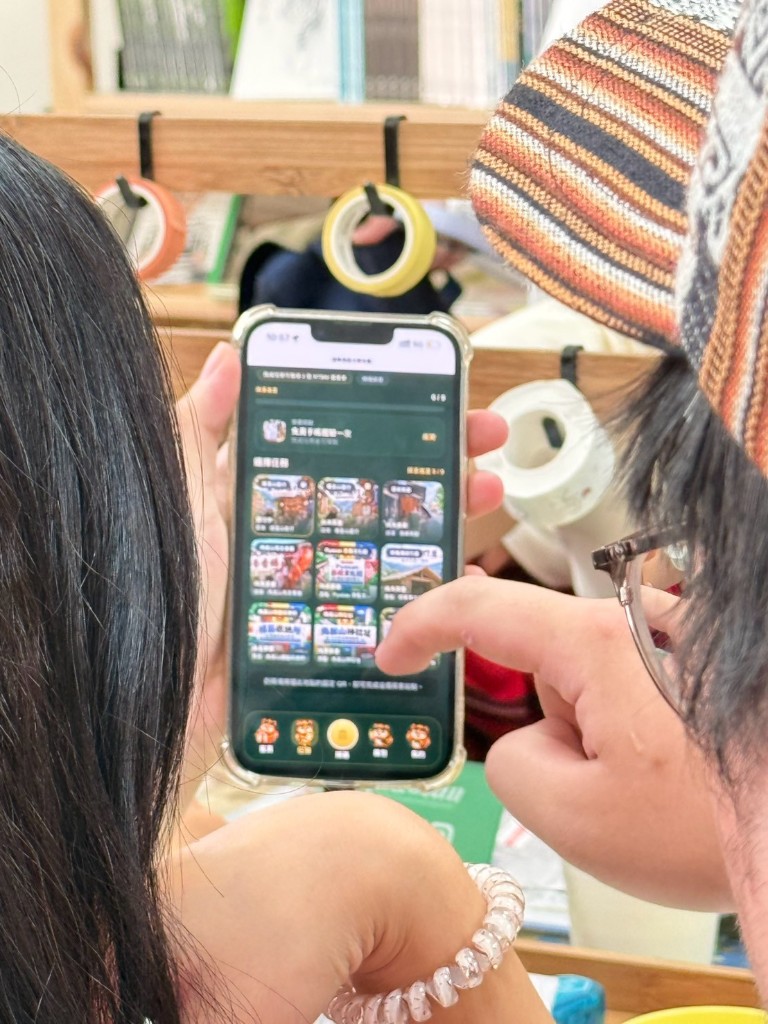
The first stage was about being guided into a place. The second stage began when students took out their phones. Through the FUNQuanQuan mission map, they could choose among cultural sites, local stories and participating businesses in Jiaobanshan. The phone provided a reason to move. The actual experience still happened in the physical place. Students had to find the location, walk there, observe what was around them, read the story and complete the exploration. Some missions led to historical memories. Others brought students to local businesses they might otherwise never have entered. This is one of the key ideas we wanted to test: if digital technology only keeps people looking at their screens, it offers very little value to a place. The real purpose is to give someone a reason to walk there. Back to the street. Back to a story. Back to a local shop. And eventually, back to another person.
The two days were intentionally designed around two different ways of learning. In sbunaw: people led the way. Students learned through forests, plants, food and everyday local knowledge. In Jiaobanshan: digital tools took over the next step. Once a basic relationship with the place had been established, students were given more freedom to decide what to explore next. This experience reinforced an important idea for us: digital tools should not replace local guides. Their greater value may be in extending a person’s relationship with a place after the guided experience has ended.
This principle also sits at the heart of FUNQuanQuan. PLUWFUN is not building digital tools simply for the sake of having a digital platform. The challenge we are trying to address is highly practical: in a rural mountain region where communities, cultural sites and businesses are geographically dispersed, what can give an independent traveller a reason to move from Point A to Point B? A guided tour can determine the route for a group. But once people travel independently, many local places disappear from their field of choice. We are therefore experimenting with another kind of bridge: people establish understanding first; digital tools provide choices; missions create reasons to move; and the journey leads people back to local stories, businesses and residents. The emerging cycle looks like this: Human guidance → embodied experience → cultural understanding → digital self-guided exploration → local encounters → evidence and learning The Ming Chuan University journey offered an important real-world test of this model.
This journey also gave us a chance to record what actually happens when people travel through a place. For PLUWFUN, sustainability is not a label added after an activity ends. It means keeping track of how travellers move, how far they walk, what materials are used, what is sourced locally and how cultural participation takes place. For this session, 20 student travellers departed from Flying Squirrel Future Design Studio in Jiaobanshan, travelled together in one 20-seat vehicle to Sbunaw, completed the local experience and returned to the studio. The full local service route was approximately 53.4 km. Using PLUWFUN’s consistent transport model, traveller transport for this session is estimated at approximately 17.66 kgCO₂e. Under the same model, an equivalent general self-drive baseline for 20 travellers is estimated at approximately 84.75 kgCO₂e. The shared-transport design therefore represents an estimated transport carbon-reduction benefit of approximately 67.08 kgCO₂e, or about 3.35 kgCO₂e per traveller. These figures are modelled estimates based on fixed occupancy, representative fuel-efficiency assumptions and emission factors. They are not direct measurements of fuel consumed on the day. We record these numbers not to turn a journey into a spreadsheet, but to understand more clearly how a trip moves through a place, uses resources and leaves environmental, cultural and local value behind.
What did this journey leave behind?
For founder Hakaw, known as Mr. Flying Squirrel, and the PLUWFUN team, the most important result was not simply that an activity had been completed. The two days helped clarify a model that can continue to evolve: “How can a person gradually become capable of understanding a place on their own?” At first, they may need someone local to guide them. Then they experience the land, forest, food and everyday life through their own bodies. Once a basic understanding exists, digital tools can return the power of choice to the traveller. Finally, that traveller walks toward another story, another shop and another person.
Five stages
Mountain communities do not necessarily need faster tourism. Sometimes the more important design question is: How do we help someone who previously had no relationship with this place stay a little longer, walk one step further, learn one more story and meet one more person? From “laqi na sbunaw” to self-guided exploration in Jiaobanshan, these two days strengthened three ideas for us: Culture is not something to be displayed. It is understood through life. Digital technology is not the destination. It is a bridge that leads people back into place. And we are not simply designing an itinerary. We are designing a process through which people gradually become capable of discovering a place for themselves. What ultimately remains from a journey is not only where someone went. It is the relationship they began to form with that place. Perhaps by the end of the journey, you have not simply visited Sbunaw. You have become one of the laqi na sbunaw — one of the children of Sbunaw.
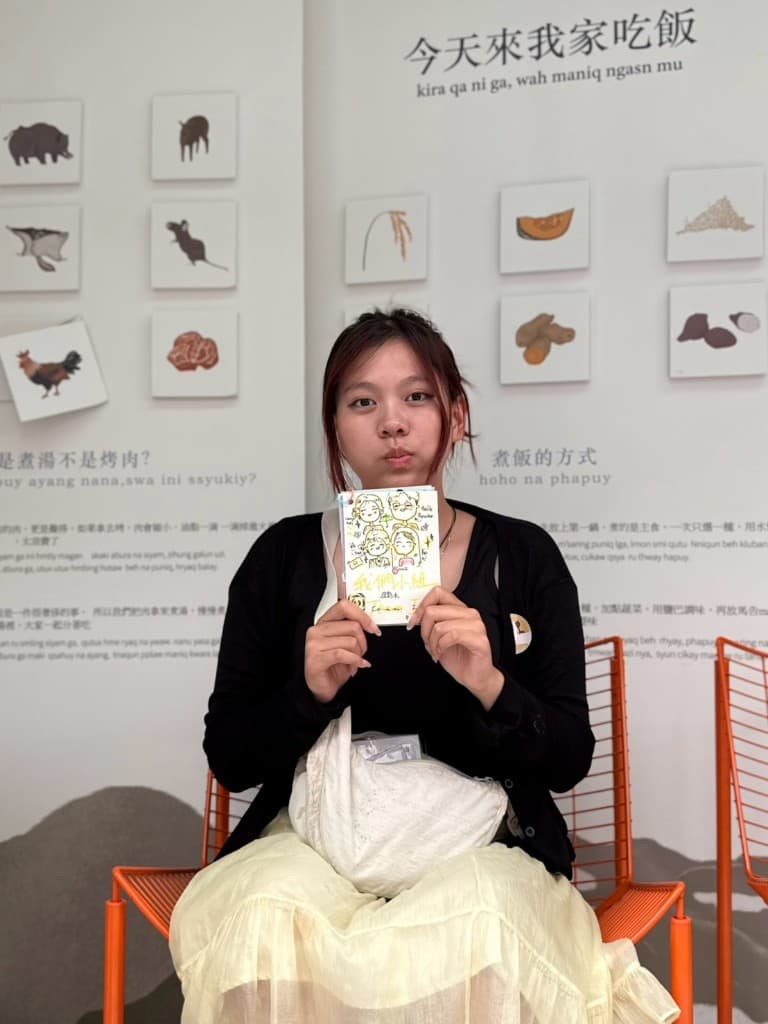
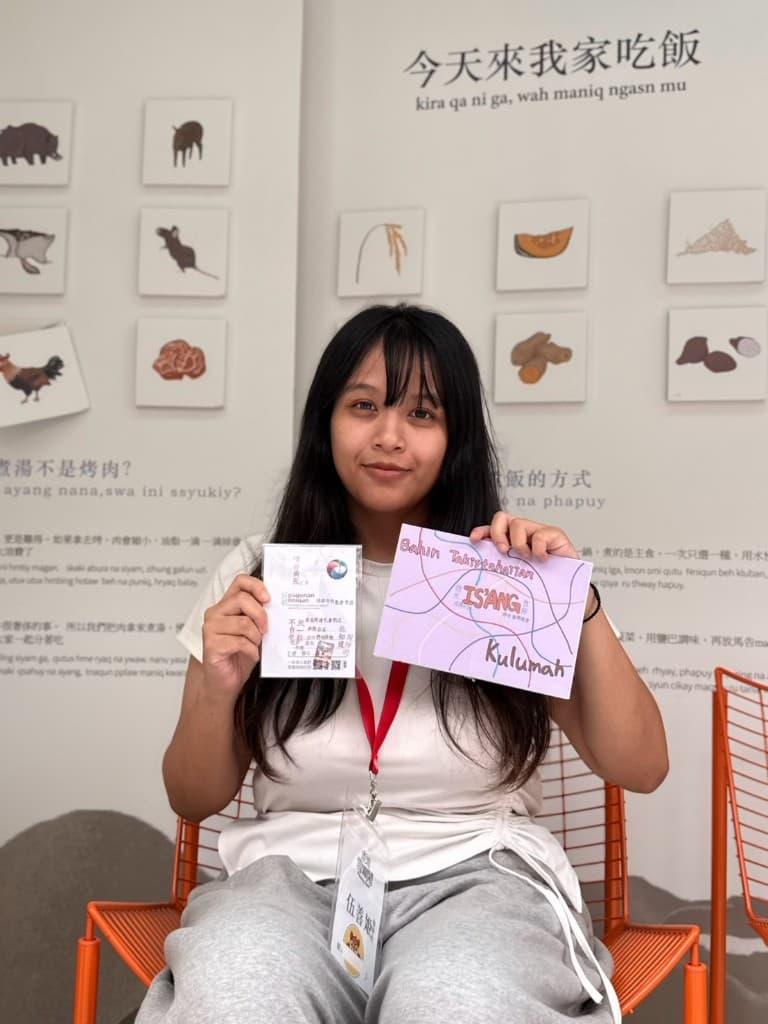
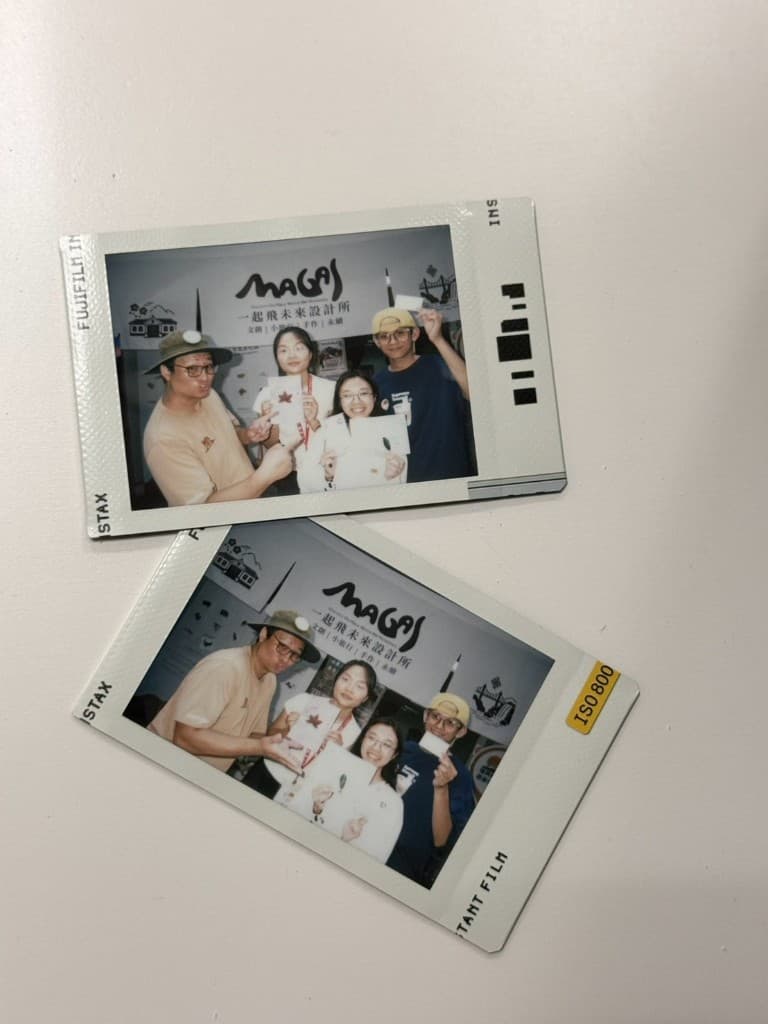
We are not simply designing an itinerary. We are designing a process through which people gradually become capable of discovering a place for themselves.
Public record: Walking, meal counts and packaging records were compiled by Flying Squirrel Future Design Studio from this session. Walking distance is a step-count model, not a GPS measurement, and is not a transport carbon reduction.
Interview source: sbunaw elder Tali; Mr. Yu of Ri Wang Hardware Store
Plant, food and shop memories follow accounts from local guides and the shop owner.
Source type: Interview
Photography: Field documentation by Flying Squirrel Future Design Studio