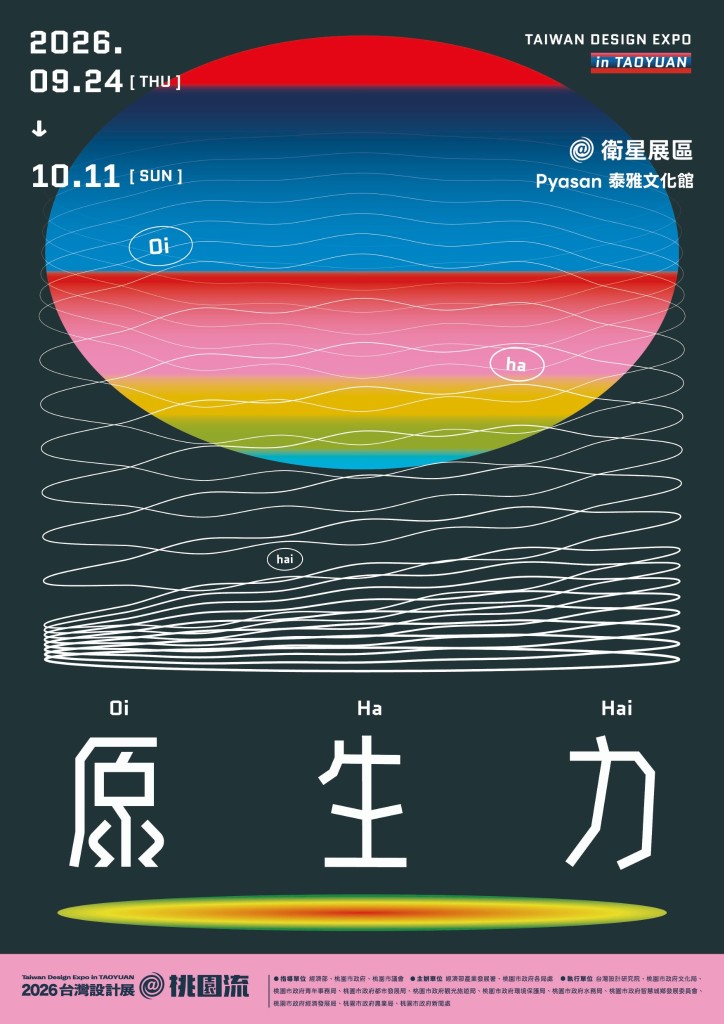
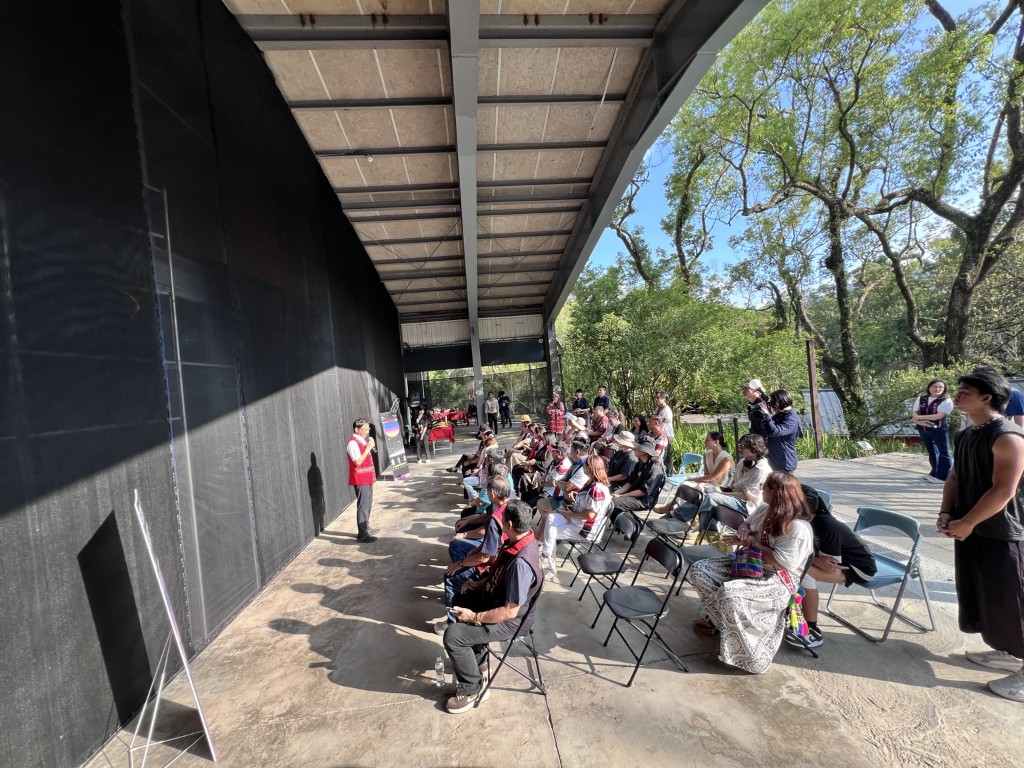
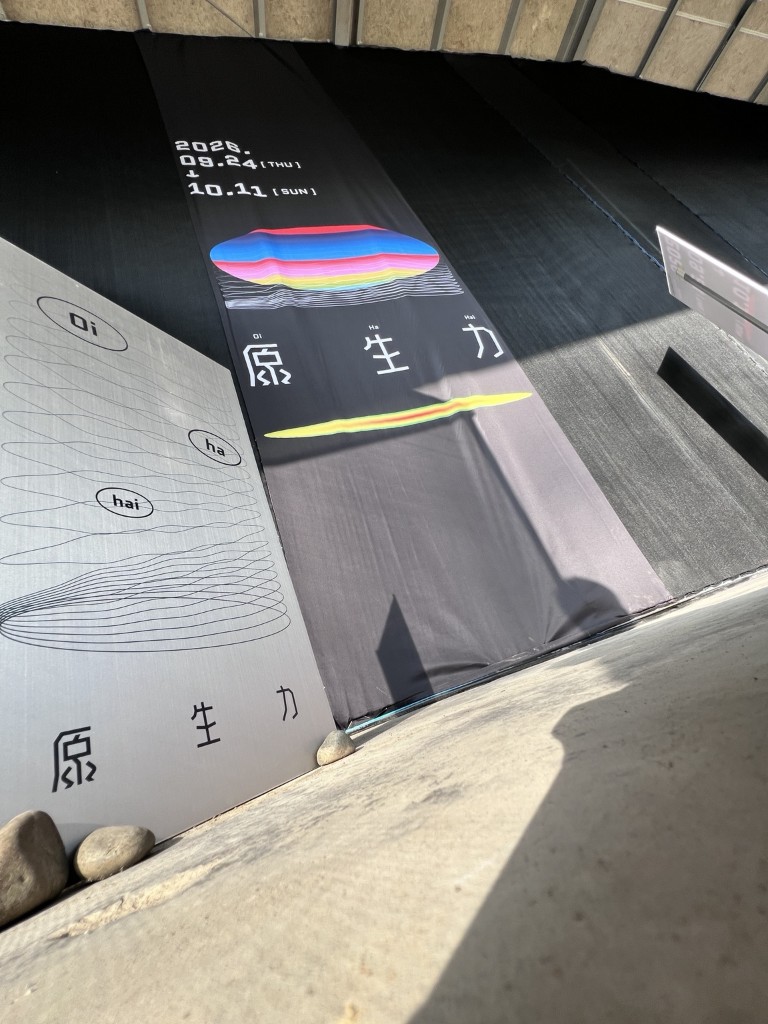
The “原生力” satellite exhibition of the 2026 Taiwan Design Expo runs from September 24 to October 11 at the Pyasan Atayal Culture Center in Jiaobanshan. Through this collaboration, PLUWFUN is testing how exhibition visitors can be connected with local stories, exploration missions and participating businesses.
From the Design Exhibition into the Community | PLUWFUN × 天衍光藝 Connect “原生力” with Jiaobanshan
What began as an informal conversation during an interview has grown into a collaboration connecting PLUWFUN's local digital network with the “原生力” satellite exhibition of the 2026 Taiwan Design Expo. Through FUNQuanQuan missions, local stories and more than twenty participating businesses, the collaboration tests a Slow Place Collaboration approach: using digital tools not to keep visitors online, but to guide them from the exhibition into the real places, businesses and relationships of Jiaobanshan.
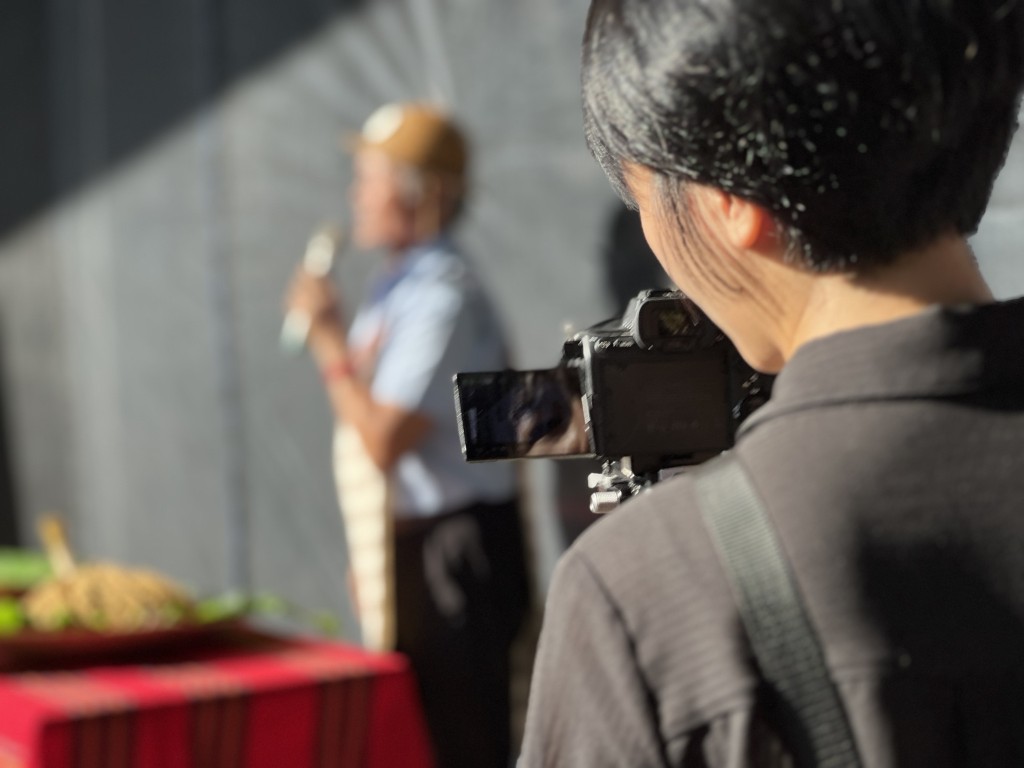
What began as a conversation after an interview has grown into a collaboration connecting a major design exhibition with local stories, digital exploration missions and more than twenty businesses in Jiaobanshan.
Around June this year, what began as a simple interview unexpectedly became the starting point of this collaboration.
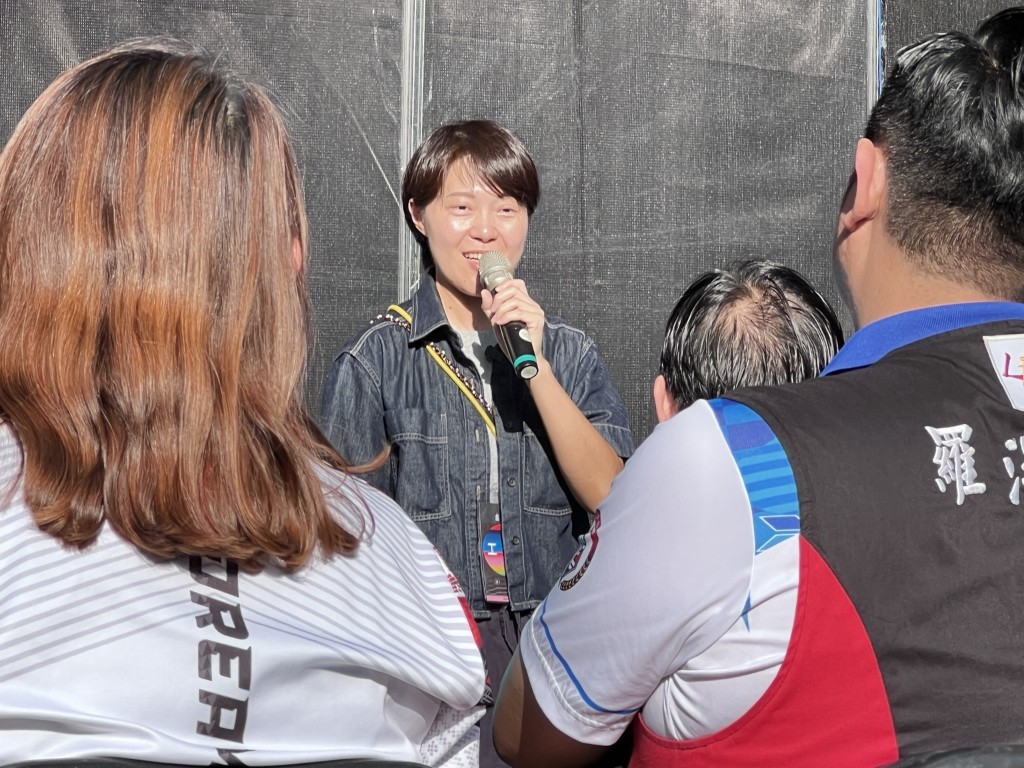
During the interview, we spent time talking with the curator and team from 天衍光藝設計有限公司.
We shared what PLUWFUN / Together We Fly Future Design Studio has been working on in Fuxing over the past few years:
connecting local youth, businesses and different industries;
building relationships of mutual support;
and gradually developing a digital platform designed around the realities of a mountain community.
As the conversation continued, a simple question came up:
Since the “原生力” satellite exhibition of the 2026 Taiwan Design Expo was coming to Jiaobanshan, could exhibition visitors be encouraged to take one more step into the surrounding community?
Perhaps they could discover a local business.
Perhaps they could learn a story.
Perhaps they could notice a place they had passed before without ever really seeing it.
What began as an informal idea gradually became a real collaboration after several rounds of discussion and coordination.
Eventually, we found a way to connect the exhibition with PLUWFUN's existing local digital network.
The collaboration began with a conversation after an interview. What started as an exchange about local networks and digital tools gradually became a real question: could visitors to the exhibition be encouraged to take one more step into the surrounding community?
Experiencing culture through light, movement and space
“原生力” is not only an exhibition of objects. It creates a place where people encounter culture—and where the exhibition itself can become a first doorway into Jiaobanshan.
The “原生力” satellite exhibition of the 2026 Taiwan Design Expo runs from September 24 to October 11, 2026 at the Pyasan Atayal Culture Center in Jiaobanshan.
The exhibition does more than present Indigenous culture as static objects.
Through light, sound, spatial forms and bodily experience, it offers different ways of feeling and interpreting culture.
“原生力” reinterprets culture through contemporary design language, using rhythm, form, sound and space as different ways of understanding place.
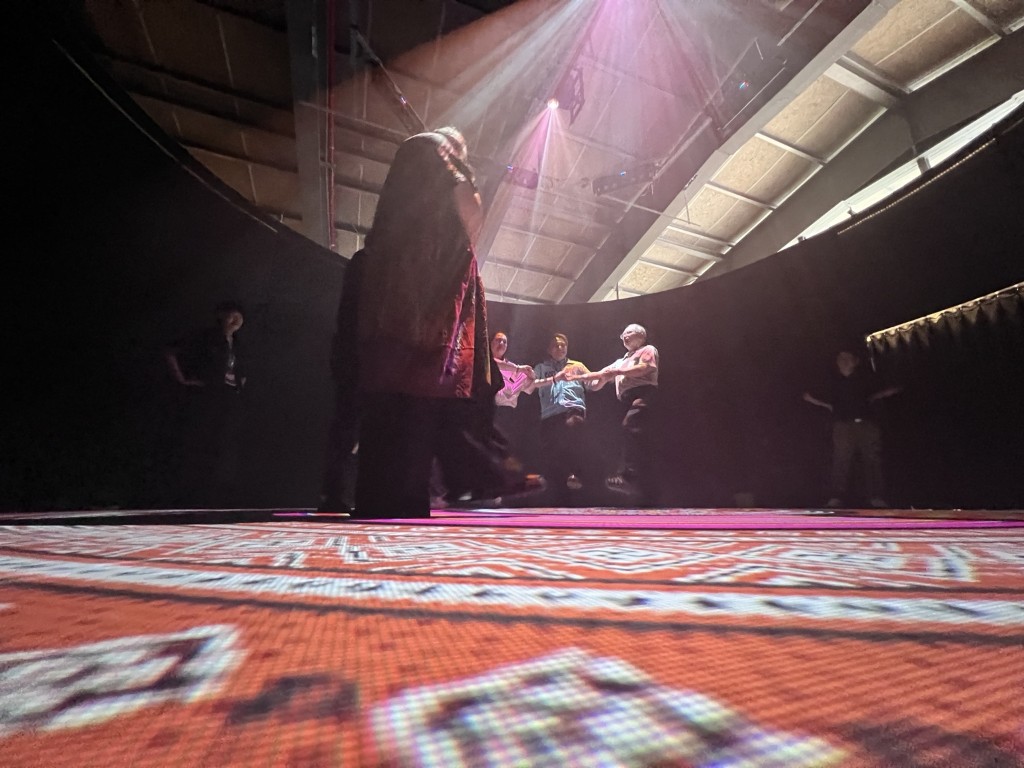
One installation uses changing light, forms and space to evoke the rhythm, passion and vitality of Indigenous dance.
Visitors do not simply look at the work.
They experience it through movement and space.
For us, this is meaningful because local culture has never been only about learning facts.
It is also about creating the willingness to come closer, to feel something, and to understand a place more deeply.
Through changing light, form and space, “原生力” evokes the rhythm, movement and vitality of Indigenous dance, inviting visitors to experience culture through the body and the space itself.
From communal eating to local mutual support
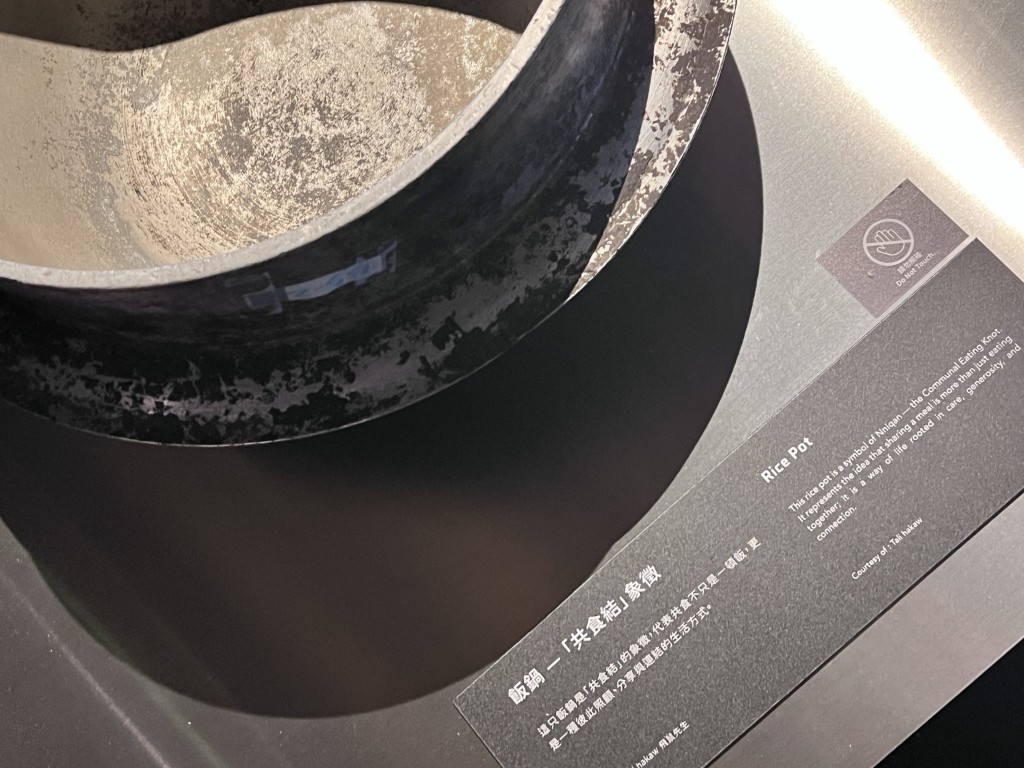
The rice pot represents an Atayal tradition of communal eating, sharing and mutual support.
For PLUWFUN, local collaboration works in much the same way: not everyone needs to do the same thing; each person's strengths can become part of someone else's support system.
Another work in the exhibition that deeply resonated with us was a rice pot representing the Atayal tradition of communal eating and mutual support.
Sharing a meal is not simply about eating from the same pot.
It represents a relationship of sharing, caring and supporting one another.
Looking at this work, we saw a strong connection with what we have been trying to build locally.
Local collaboration does not mean every business has to do the same thing.
It does not mean that creating an alliance automatically creates cooperation.
Instead:
What I have may become something that helps you. What you have may become support for someone else.
One person may contribute a story.
Another may offer a product.
Someone else may provide an experience or a space.
Another person may bring visitors.
A designer may help communicate an idea.
An outside partner may connect new resources.
What matters is whether these different strengths have a chance to see one another and connect.
That is how PLUWFUN understands local mutual benefit.
When a major event brings people, can the community receive them?
A major event can bring people in.
A local network helps them take one more step into the place.
A design exhibition can bring people to Jiaobanshan who otherwise might not have had a reason to visit.
But for us, the next question matters even more:
Once people arrive, can the community receive them?
Can their journey continue beyond the exhibition?
Can they discover one more story, one more business or one more person who lives and works here?
For this collaboration, we did not build an entirely separate event platform.
Instead, we connected the exhibition with FUNQuanQuan, the digital network and local exploration system that PLUWFUN has been gradually developing.
Visitors can access FUNQuanQuan through information and QR codes available during the exhibition.
One participation path connects visitors with the peach-smoothie campaign available through the exhibition's activity mechanism.
Another invites visitors to explore Jiaobanshan itself.
Take one more step beyond the exhibition
FUNQuanQuan currently offers four Jiaobanshan exploration missions.
Visitors can explore local stories, places and participating businesses.
Complete any two mission stations and receive a NT$50 digital voucher.
The voucher can currently be used at more than 20 participating local businesses in Jiaobanshan.
These include fruit shops, restaurants, brunch cafés, coffee shops, hands-on craft experiences, local sausage and fried-food vendors, and other local offerings.
The real goal is not simply to provide a NT$50 discount.
We hope the mission gives a visitor a reason to:
walk one more street,
discover one more business,
learn one more local story,
or have one more encounter with someone who actually lives here.
Digital does not mean putting the community inside a phone
FUNQuanQuan may look like a digital platform.
But our goal has never been to keep people looking at their screens.
Quite the opposite.
The phone should only be a bridge.
A visitor may first encounter a story on a screen.
Then physically walk to the place where that story lives.
An exhibition leads to a mission.
A mission leads to a story.
A story leads to a local business.
Gradually, a journey forms:
Exhibition → Story → Mission → Visit → Local Business → Reward → Next Place
This is part of what we have begun to call Slow Place Collaboration.
Slow places need a different way of connecting
Collaboration is not the first step.
The first step is often simply: “I now know who you are.”
Fuxing is a mountainous region.
It does not have the density, foot traffic or frequency of encounters found in a city.
The challenge is often not that a place lacks good businesses, talented people or meaningful culture.
The challenge is distance.
People and opportunities do not always meet naturally.
So we are not trying to turn a mountain community into a city.
Nor do we believe that one digital platform can suddenly solve every structural challenge faced by rural areas.
What we can do is gradually build bridges.
Help visitors discover more places.
Help a business meet one more new customer.
Help local youth and industries become more visible to one another.
Because we have gradually learned:
Collaboration is not the first step.
The first step is often much simpler:
“I now know who you are.”
Contact creates familiarity.
Familiarity can create trust.
Trust creates the possibility of collaboration.
And over time, collaboration may become a sustainable cycle.
An unexpected opportunity — and a meaningful experiment
Local change does not happen in a single event. Every conversation, record and collaboration becomes part of the long process of building relationships in place.
This collaboration was not part of a large plan we created at the beginning of the year.
It began with an interview.
A conversation.
And a simple question:
“Could we connect these things together?”
That is exactly why we value this opportunity.
It shows us that when a community has already begun building relationships, content, local business connections and digital infrastructure,
a new exhibition,
a tourism project,
a public-sector initiative,
or another outside partner
does not always need to begin from zero.
The community already has an interface.
Outside resources have somewhere to connect.
That is the foundation we hope to build.
We are not building a platform first — we are building relationships
Technology is not the starting point of local development.
People and relationships are.
Not every experiment we have tried in the past has worked.
There have been failures.
There have been things we needed to redesign and rebuild.
But those experiences have taught us something important:
The hardest part is not writing software.
The hardest part is understanding:
how people live,
how local businesses survive,
why visitors move the way they do,
and why people choose to trust and work with one another.
That is why PLUWFUN did not begin by building a system and then looking for a place to use it.
We began with local problems.
The tools came later.
Technology is not the starting point of local development.
People and relationships are.
Starting from Jiaobanshan, and gradually reaching more communities
The system is still evolving.
For now, we are starting with Jiaobanshan.
But in the future, we hope this approach can gradually connect more communities across Fuxing.
Each community should be able to build around its own:
people,
stories,
culture,
businesses,
and ways of exploring.
We are not trying to create one large platform that makes every place look the same.
We are trying to build a way for:
local people to support one another,
outside resources to connect with existing local networks,
and visitors to genuinely enter the life of a place.
Come for “原生力” — and take one more step into Fuxing
The “原生力” satellite exhibition of the 2026 Taiwan Design Expo runs from:
September 24 to October 11, 2026
If you visit Jiaobanshan during the exhibition, we invite you to experience the exhibition first.
See how design can offer new ways of understanding culture.
Then take one more step.
Open FUNQuanQuan.
Choose a mission.
Discover a story.
Visit a local business.
You may find something in Fuxing that you have passed many times before, but never truly noticed.