Beyond Visitor Traffic | How “Indigenous Vitality” Is Helping Us Learn to Build Digital Bridges for Slow Places
A reflection following an Alian Radio interview on digital missions, local-business feedback and visitor movement: what we are building is not simply a traffic-generation tool, but a human-centered local digital infrastructure that can observe, learn and improve with the place itself.
An interview with Alian Radio gave us an opportunity to ask a more difficult question: what does digital local collaboration actually change? For PLUWFUN, success does not mean every participating business immediately receives a transaction. It means visitor behavior, business feedback and real-world participation begin to reveal how a place actually works—allowing us to redesign the next iteration with better evidence. This is part of the Slow Place approach we are gradually testing in Fuxing.
How does digital collaboration actually help a place? The answer must stay nuanced: effective does not mean every business immediately receives a transaction.
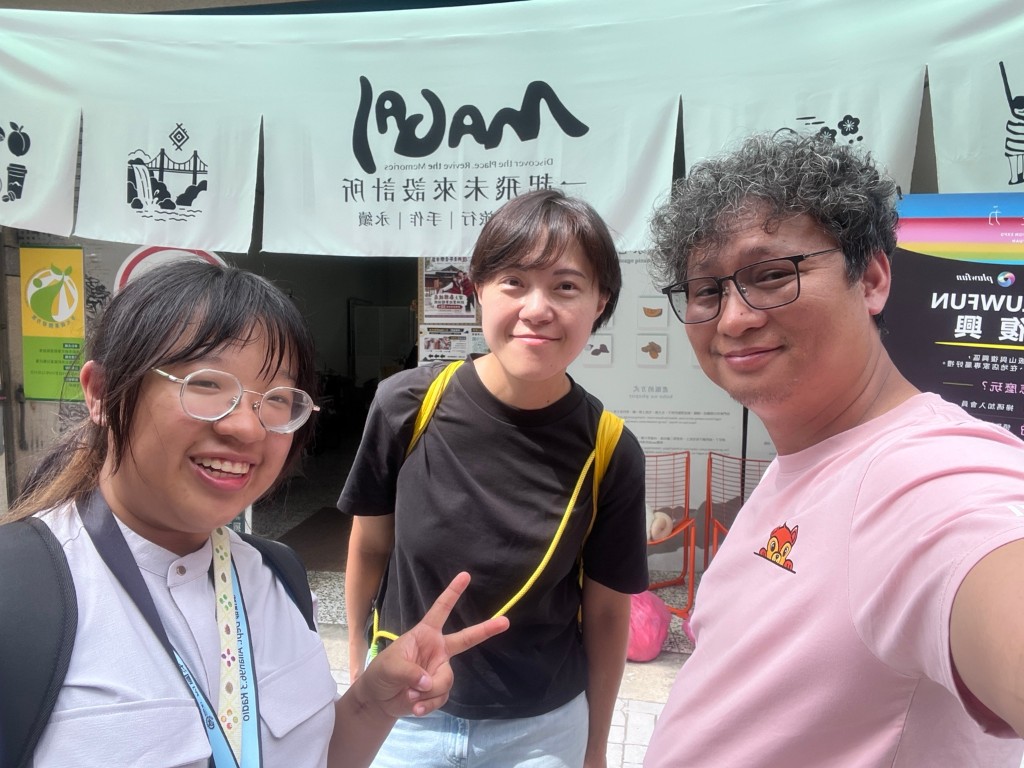
Today, I was interviewed by journalist Liu Yu-Ting of Alian Radio FM 96.3, operated by the Indigenous Peoples Cultural Foundation (IPCF). The Alian Radio interview coverage is now public.
She asked a direct and important question:
What does the “Indigenous Vitality” exhibition mean for Fuxing, and what does connecting local businesses through a digital platform actually change?
The question gave me an opportunity to look back at what our team has spent much of the past six months building.
Are we simply developing a digital system?
Or are we gradually building a capability that a rural mountain community can continue to use, learn from and improve?
An interview became an opportunity to reflect on a larger question: what is this digital local network actually leaving behind?
A cultural exhibition can create a new reason to visit
Having a design exhibition centered on Indigenous culture in Fuxing is, in itself, meaningful.
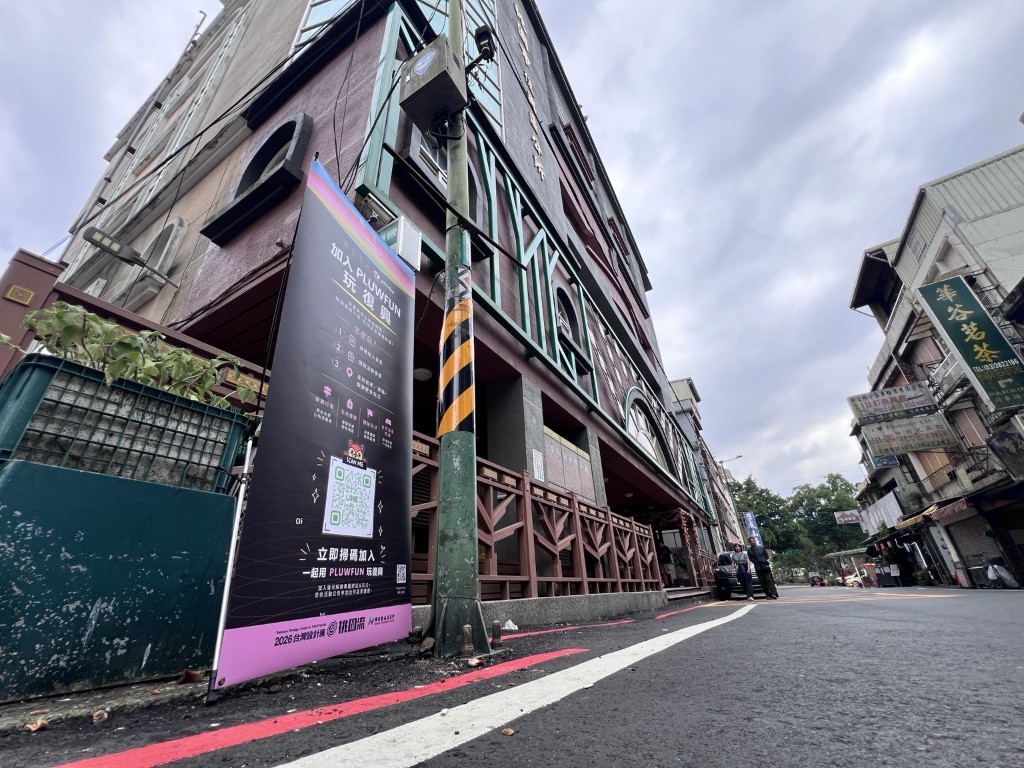
The “Indigenous Vitality” satellite exhibition of the 2026 Taiwan Design Expo uses light, multimedia, sound, design and spatial experience to reinterpret Indigenous culture in contemporary ways.
For a mountain community, this is more than another exhibition.
It creates a new reason for people to come.
Visitors may already know Fuxing for mountain scenery, food, peaches or Lala Mountain.
This exhibition adds another doorway: culture and design.
When people arrive, can the place receive them?
A major event can bring visitors into a place.
But our next question is: Can the place receive them once they arrive?
This is what we wanted to test by connecting FUNQuanQuan with the exhibition.
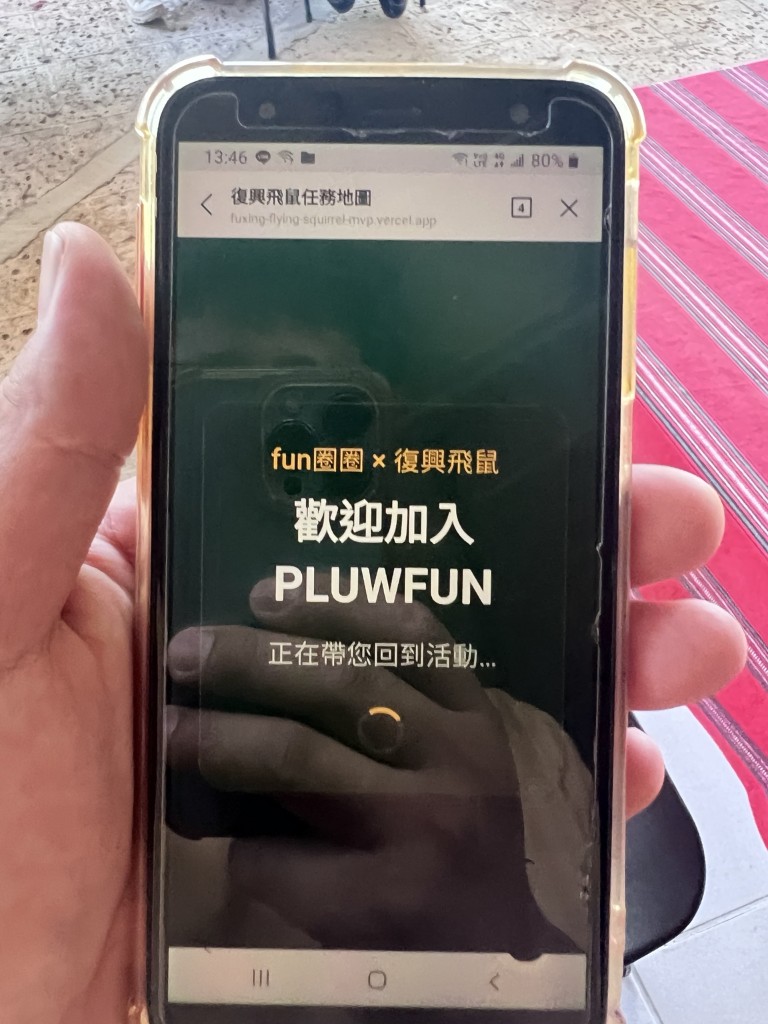
Our digital missions are not designed simply to distribute discounts.
Each mission can carry a short introduction to a local site, its history, a business, a person or a local story.
The visitor journey may look simple: read, walk, arrive, scan or complete an action.
But what we hope to create is: See → Understand → Visit → Encounter.
Digital does not replace a guide.
Instead, it gives a place a chance to continue telling its story even when no guide is standing beside the visitor.
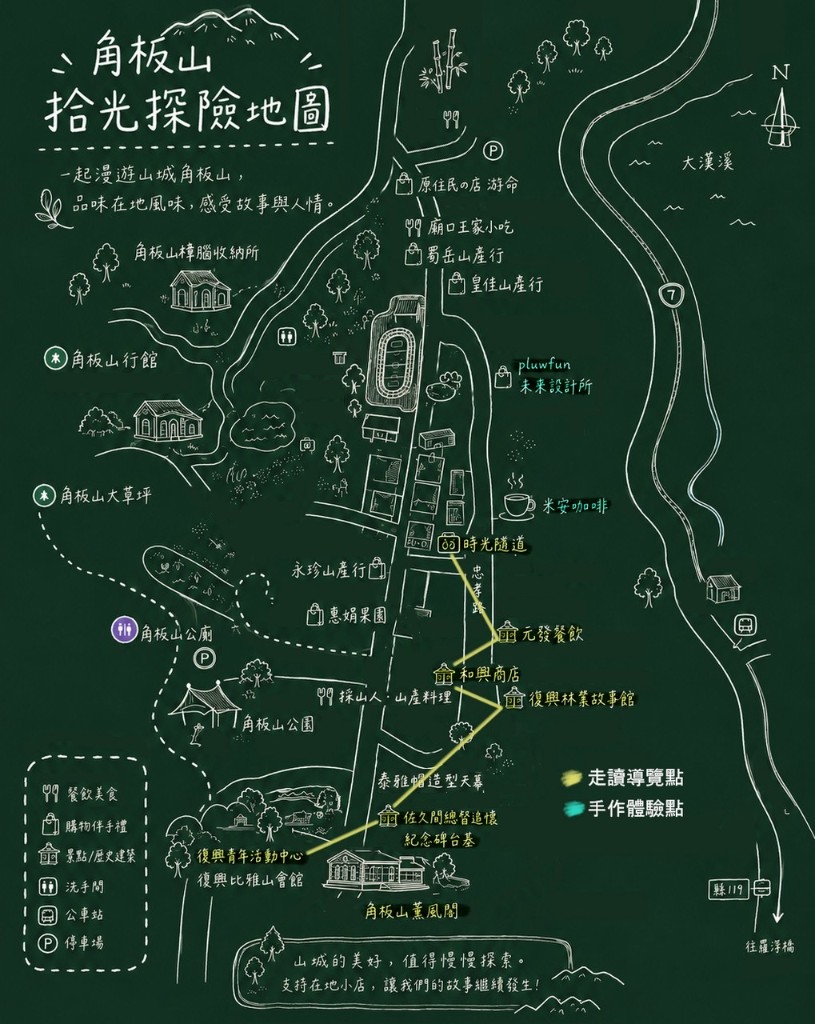
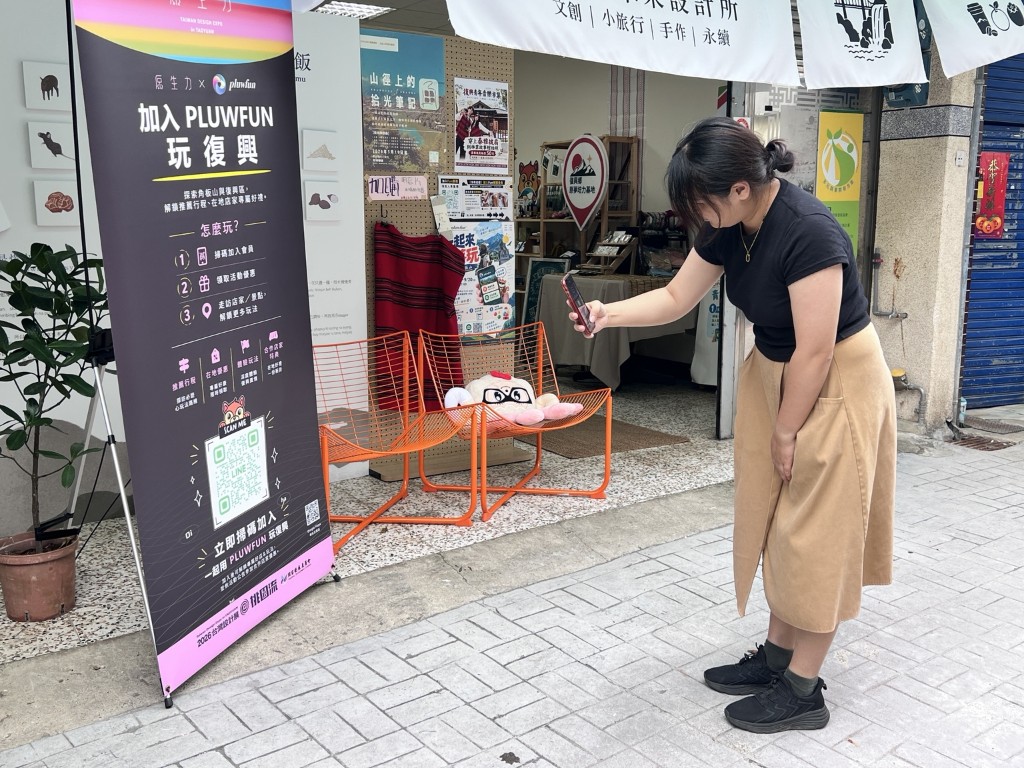
The Jiaobanshan exploration map places stories, businesses and walking routes inside the same visitor journey. Connection is not a list of businesses—it is about how people actually move.
“Effective” does not mean every business immediately receives a transaction
During the interview, I shared something that encouraged our team.
Some participating businesses told us that visitors really had entered their shops because of the digital mission mechanism.
For young people working on local development, that feedback matters.
But I also want to be precise about what I mean by “effective.”
It does not mean that every participating business immediately receives more sales.
Visitors are using this kind of platform for the first time. Many businesses are also participating for the first time.
We are still learning: which missions people choose, how far they are willing to walk, which rewards influence behavior, and how visitor routes actually form.
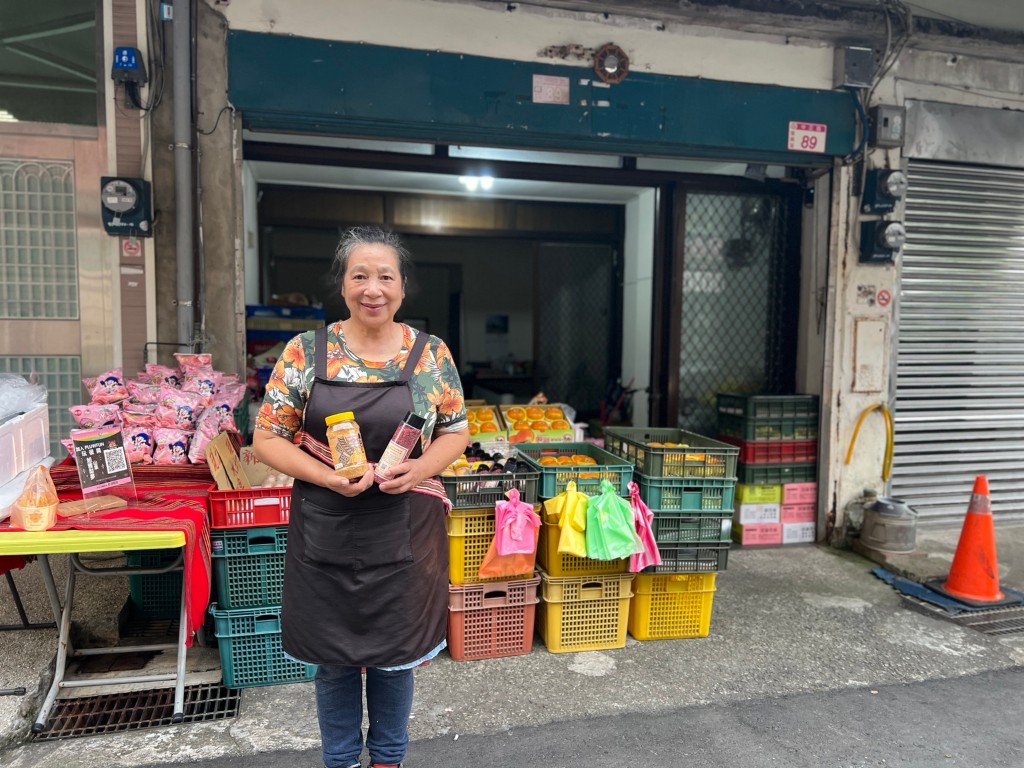
A local network is not simply a business count. It is made up of real shops and the people whose lives and work are rooted there. Pictured is the owner of Dayalimu; for PLUWFUN, the character and everyday life of each local business are part of what the network is meant to connect and make visible.
The real value of digital is that it helps us see
Traditional event reporting often tells us how many people attended.
Digital participation can begin to reveal something different: Which missions are chosen? Where does activity concentrate? Which places receive visits? Which businesses gain more contact? Which important locations remain outside the visitor journey?
During this first round of operation, we began noticing that participation can cluster around particular areas or sections of the route.
I do not see this simply as failure. I see it as information.
Without observing real behavior, we would not even know that the imbalance existed.
Now we can ask better questions: Should missions be regrouped? Should different entry points lead to different routes? Can rewards encourage people to discover less-visited nodes? How can the experience remain comfortable while exposing visitors to more of the place?
This is where digital becomes more than promotion. It becomes a learning mechanism.
Digital is only the entry point. Its value lies in bringing people back into real places and leaving evidence that can inform the next design.
Slow places should not expect one design to solve everything
Fuxing is a mountainous region. Distance, transportation, visitor flow and travel habits cannot be redesigned overnight.
This is why I have begun to think of places like this as slow places.
Slow does not mean backward. It means relationships take time. Trust takes time. Local collaboration takes repeated encounters.
A digital system designed for a slow place should therefore not aim to “launch once and solve everything.”
It should learn.
The Slow-Place Learning Loop
•Design → Participate → Observe Behavior → Identify Problems → Adjust → Return to the Place
•The goal is not to finish the system once. It is to keep learning from the real place.
When a visitor actually participates, a digital mission becomes observable local behavior—something the next iteration can learn from.
A mission is not just a scan
Scanning a QR code is easy. The more important question is what the scan carries.
We want each mission to gradually include more local context.
A business is not simply a pin on a map. It may be a family, a livelihood, a local craft, or the reason a young person chose to stay.
A site is not simply a photo stop. It may carry history, people, community memory or cultural meaning.
Our goal is therefore to transform places that visitors merely pass through into places where they understand: why this place is worth stopping for.
Digital is only the bridge. People remain at the other end.
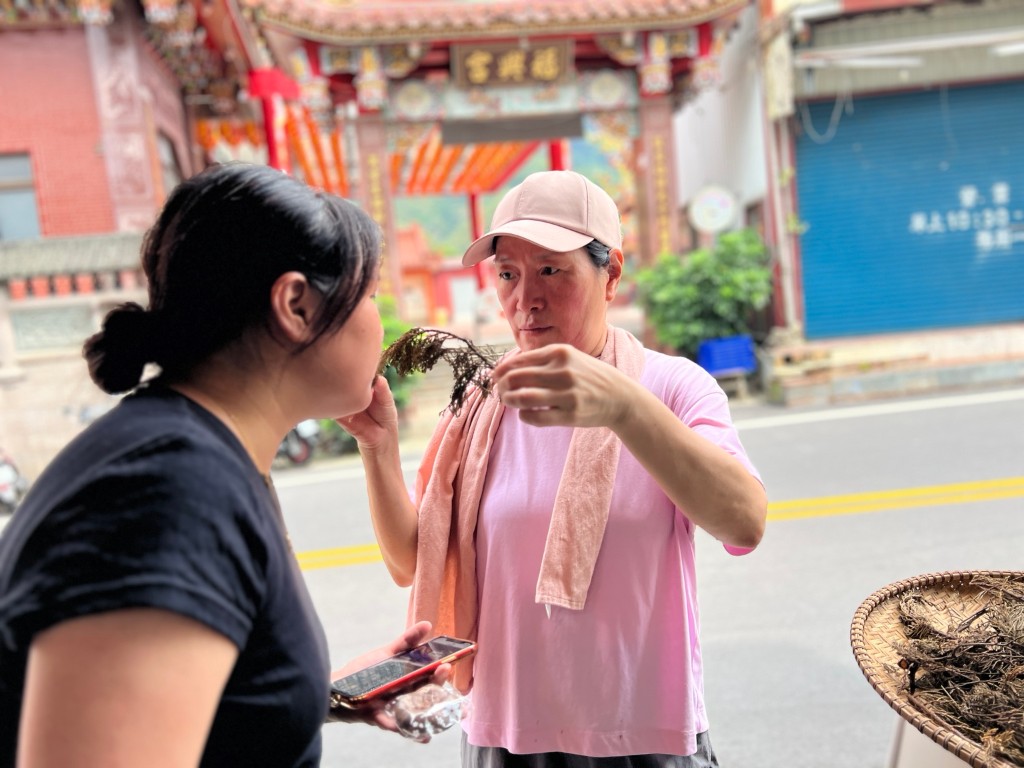
Local content is more than the name of an attraction. It can be a plant, a flavor, a lived experience, and knowledge carried by the people who live here. On the right is “Sister Bear” from the local business Magao Bear, sharing a way to discover Fuxing through local ingredients and everyday experience.
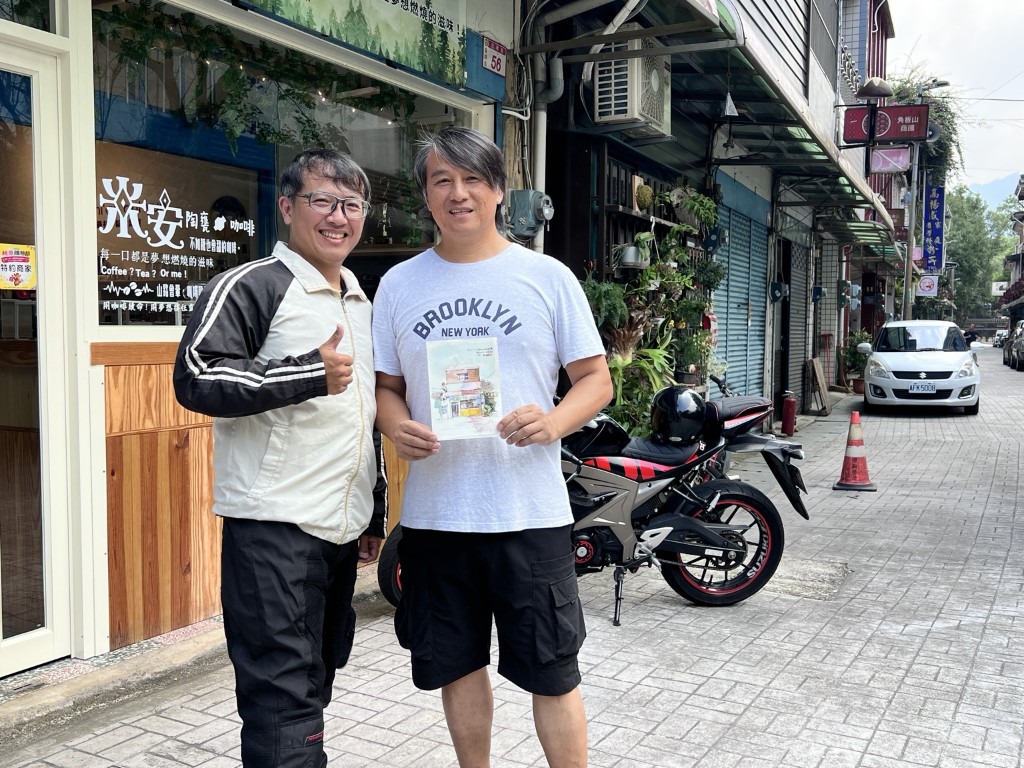
Local collaboration is not built from a contact list. It grows as people begin to understand what others are doing and new possibilities for cooperation emerge. On the right is Ma Xing, owner of Mian Café—one of the many local relationships that gradually form the foundation for future collaboration.
Sustainability and low-carbon thinking must become design conditions
We are also beginning to incorporate sustainability and low-carbon thinking into future mission design.
Can more exploration happen on foot within defined local zones? Can digital information reduce repeated one-off printed materials? Can route design support more coherent local movement? Can visits, movement and participation eventually become data that help us understand environmental impact?
We do not want to claim results before they can be measured.
Real carbon-reduction outcomes will require evidence.
For now, sustainability is becoming a design condition, and measurement is a capability we are gradually building.
We are not designing a simple local tour
For me, PLUWFUN has never been only about creating another local itinerary.
If the goal were simply to connect a few attractions and shops, we would not need to spend this much time building a system.
The larger question is: How can a mountain community gradually connect culture, young people, businesses, visitors, digital tools, data and outside resources into a structure that can support itself?
What we are designing is not simply a route.
It is: the conditions for the next collaboration to happen.
One visitor discovers one more local business. One business receives one more opportunity for contact. One young person gains one more potential partner. An outside project enters a place without starting from zero. And each interaction becomes evidence for the next iteration.
This is what I mean by: human-centered local digital infrastructure.
Thank you for giving a local idea a chance to become real
Connecting FUNQuanQuan and local businesses with the 2026 Taiwan Design Expo “Indigenous Vitality” exhibition was possible because people were willing to listen and collaborate.
I especially want to thank the curatorial team at 天衍光藝設計有限公司.
The collaboration began with a conversation. They were willing to listen to what we were building locally, continue the discussion and help create an opportunity for the idea to enter a real exhibition context.
For our team, this was not simply exposure. It was an important field test.
Every limitation becomes the beginning of the next design
There is still a great deal we can improve. We are still learning.
But I have come to value the moment when a weakness becomes visible. Because once we can see it, we can redesign it.
A slow place does not need to pretend that everything worked perfectly on the first attempt.
What matters is: we tried, we observed, we learned, we adjusted, and we continued.
That is the work Hakaw (“Mr. Flying Squirrel”), founder of PLUWFUN / Together We Fly Future Design Studio, hopes to keep doing in Fuxing.
The long-term goal is to give local stories, businesses and culture an interface through which outside resources can connect.
Public record: Alian 原住民族廣播電台採訪報導(2026-09-30):https://www.ipcf.org.tw/zh-TW/Radio/Radio_News_Page?newsId=26093017500158405
Interview source: Alian Radio FM 96.3 / IPCF|Reporter Liu Yu-Ting